
HealthLight for Post-Surgical Swelling: What It Can and Can't Do (2026)
HealthLight for Post-Surgical Swelling: What It Can and Can't Do
Swelling after surgery is normal, but it's also one of the more uncomfortable parts of recovery, and many people wonder whether red light therapy can help. This guide covers HealthLight for post-surgical swelling — what HealthLight is and isn't FDA-cleared to do, and the questions to run by your surgeon before using any device during recovery.
Why Swelling Happens After Surgery
Post-surgical swelling (edema) is part of the body's normal inflammatory healing response — fluid moves into the surgical area as tissue repairs. It usually peaks in the first few days and gradually resolves over weeks, though the exact timeline depends heavily on the type of surgery, your overall health, and how closely you follow your surgeon's aftercare instructions. Sudden, severe, or one-sided swelling, especially with redness, warmth, or fever, can signal infection or a blood clot and needs prompt medical attention — that's outside the scope of anything discussed here.
What HealthLight Is — and Isn't — Cleared For
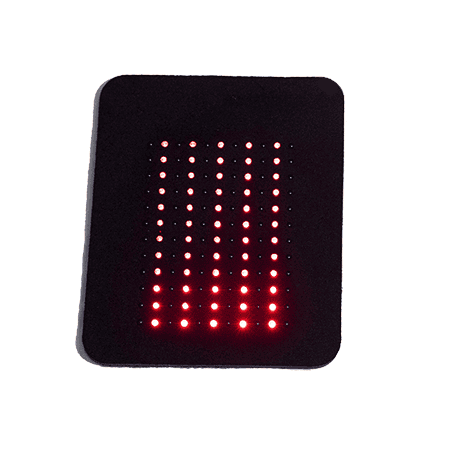
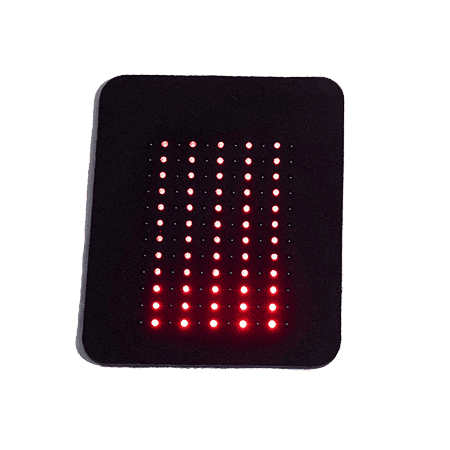
HealthLight's contact pads deliver red and near-infrared LED light and are FDA-cleared for general, temporary relief of minor muscle and joint pain, minor arthritis pain, and stiffness, and for promoting local blood circulation. HealthLight is not cleared to reduce swelling or edema, and it is not a wound-healing device. It doesn't replace the compression, elevation, and movement guidelines your surgical team gives you.
If you're considering any device during recovery, ask your surgeon first — including whether, when, and where it's appropriate for your procedure. Never place light therapy pads on an open or unhealed incision, staples, or sutures.
Post-Surgical Recovery: What Applies When
| Recovery Stage | Standard Guidance | Where HealthLight Fits |
|---|---|---|
| First few days post-op | Rest, elevation, ice/compression per surgeon | Not during this stage — follow your surgeon's timeline |
| Swelling during recovery | Elevation, compression, and movement as your surgeon prescribes | Not a swelling treatment — HealthLight is not cleared for this |
| Lingering minor stiffness/soreness weeks later | Continued PT, mobility work | Temporary relief of minor muscle and joint pain and stiffness is what HealthLight is FDA-cleared for — ask your surgeon whether it's appropriate for you |
| Sudden increase in swelling, redness, warmth | Contact your surgeon promptly | Not a use case for light therapy — seek medical evaluation |
Which HealthLight Kit Covers the Most Ground
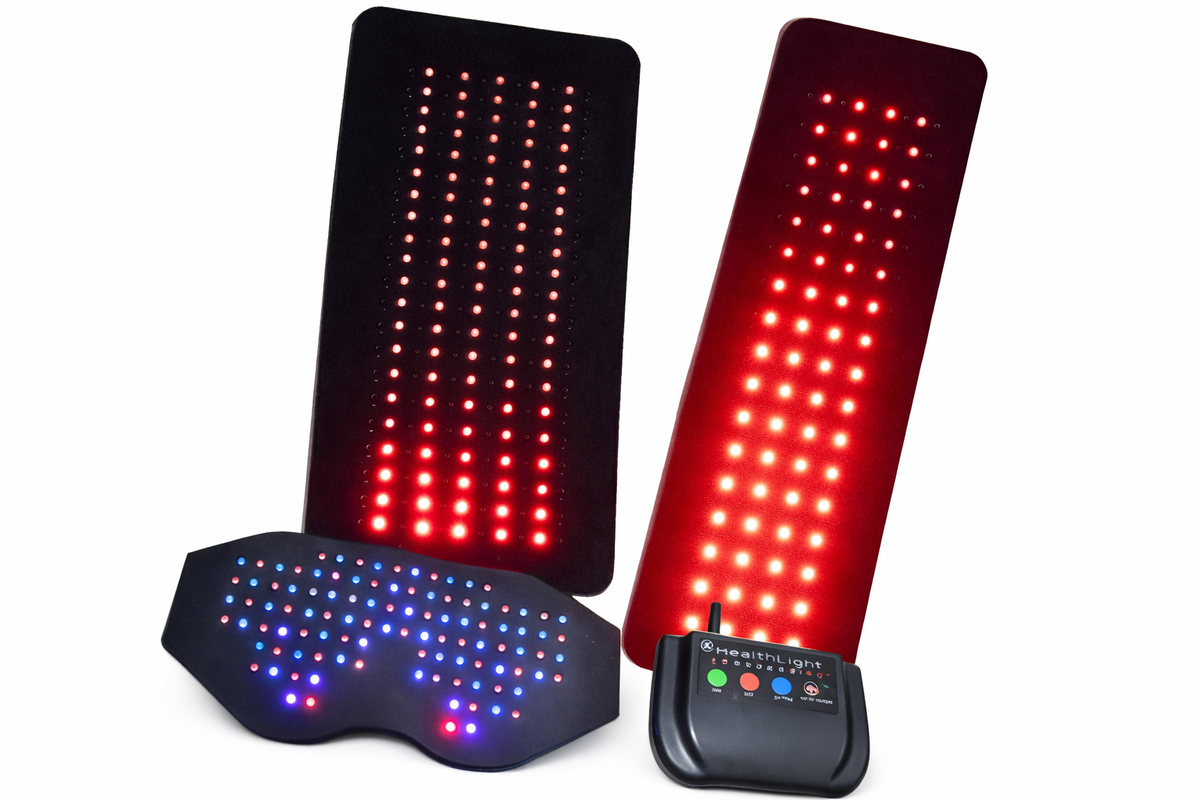
If you and your surgeon decide HealthLight is appropriate for later-stage minor stiffness, the Ultimate Body Kit is HealthLight's most comprehensive kit, with multiple pads for full-body coverage. For a single area, the General Pain Relief Kit is the more common starting point.
Our Take
Justin here. I personally own and use the HealthLight General Pain Relief Kit. Our recommendation after surgery is the one laid out above: follow your surgeon's recovery protocol, manage swelling the way your surgical team prescribes, and ask them before adding any device — HealthLight is not a swelling treatment.
Is HealthLight HSA/FSA Eligible?
HealthLight products are generally treated as HSA/FSA eligible, and many customers use HSA or FSA funds toward a purchase, sometimes with a Letter of Medical Necessity (LMN) from their physician. Confirm the specifics with your plan administrator, since rules vary.
Questions about which HealthLight kit fits your needs? Our team can help.
Many customers pay with HSA or FSA funds, sometimes with a Letter of Medical Necessity — ask us about documentation.
Shop General Pain Relief Kit Shop Ultimate Body KitQuestions? Call us at (612) 360-2490
Frequently Asked Questions
Can red light therapy reduce post-surgical swelling?
HealthLight is not FDA-cleared to reduce swelling or edema. Its clearance covers temporary relief of minor muscle and joint pain, minor arthritis pain, and stiffness, and promotion of local blood circulation. Follow your surgeon's guidance for managing swelling.
When after surgery can I start using red light therapy?
Ask your surgeon. Whether and when any device is appropriate depends on your procedure and their protocol.
Is it safe to use light therapy pads directly over an incision?
No. Never place pads on an open or unhealed incision, staples, or sutures. Ask your surgeon before using any device during recovery.
Which HealthLight kit is best after surgery?
If your surgeon agrees HealthLight is appropriate for later-stage minor stiffness, the Ultimate Body Kit covers multiple areas; the General Pain Relief Kit is the more common single-area starting point.
Is HealthLight covered by HSA or FSA?
Many customers use HSA/FSA funds toward a purchase, sometimes with a Letter of Medical Necessity. Confirm your plan's specific rules first.
Does red light therapy replace compression or elevation after surgery?
No. Standard post-op guidance like elevation, compression, and movement as prescribed by your surgeon still applies. HealthLight is not a swelling treatment and doesn't replace your surgeon's recovery protocol.
Related Reading
- HealthLight vs Joovv: Which Red Light Therapy System Is Right for You?
- HealthLight General Pain Relief Kit Review
- Red Light Therapy Contact Pads vs Panels
Justin Webster is the owner of Your Health Sanctuary. Before founding his consulting company, he served as COO of a chain of 13 medical clinics, then spent his career helping build more than 20 additional niche medical clinics across the United States. Working alongside MDs, chiropractors and physical therapists introduced him to the clinical-grade equipment that practitioners actually prescribe. That background, combined with direct relationships with manufacturers including HealthLight and BIOFLEX, shapes how Your Health Sanctuary evaluates and recommends recovery technology. Justin personally owns and uses the HealthLight General Pain Relief Kit and the TheraFace Mask. Your Health Sanctuary sells primarily to medical professionals and clinicians, not consumer gadget buyers.