
Game Ready Machine Guide for Post-Surgery Recovery
Three days after an ACL reconstruction, knee replacement, rotator cuff repair, or ankle surgery, the big problem is usually not motivation. It is swelling. Swelling makes the joint feel tight, makes sleep harder, and can make those first physical therapy sessions feel like you are fighting your own body.
That is where a Game Ready machine can be useful. I’m Justin Webster, owner of Your Health Sanctuary, and after helping build over 20 niche medical clinics across the USA and working alongside dozens of MDs, I have seen one pattern repeat: patients do better with recovery tools they can use consistently and safely at home. A Game Ready machine is not a shortcut around rehab, and it does not “heal tissue” by itself. It is a clinical-grade cold compression tool designed to help manage pain and swelling during the early recovery window.
Below is how I explain it to patients, caregivers, and clinicians who are deciding whether Game Ready belongs in a post-surgery recovery plan.
What Is a Game Ready Machine?
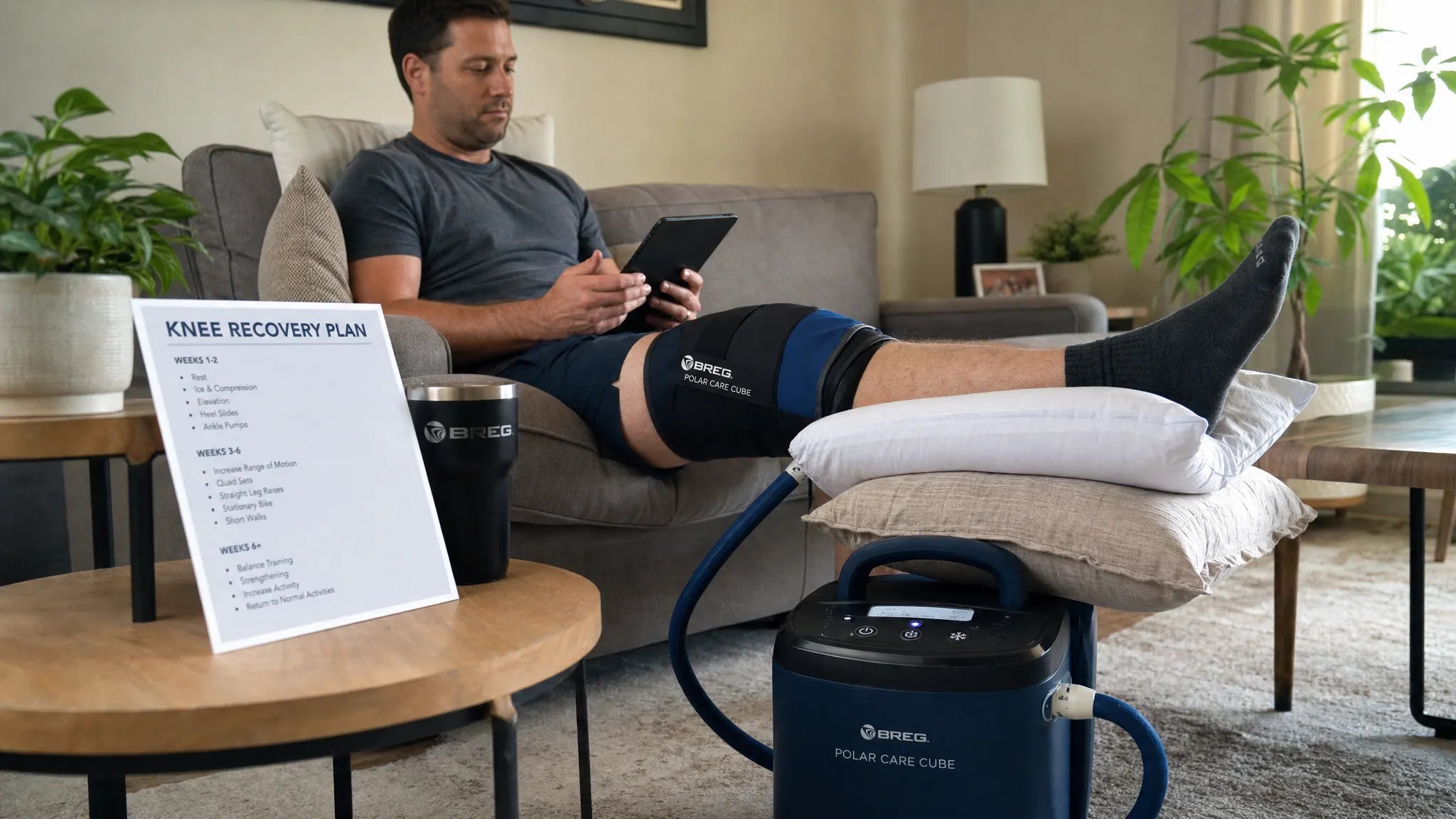
A Game Ready machine is a cold compression system. The control unit connects to an anatomical wrap, such as a knee, shoulder, ankle, hip, or back wrap. Cold water circulates through the wrap while the system applies intermittent pneumatic compression.
In plain English, it combines two things surgeons and physical therapists already use after orthopedic procedures:
- Cold therapy to help manage post-surgical pain and swelling
- Compression to help limit fluid accumulation and support swelling control
Game Ready’s GRPro 2.1 product information describes the system as a control unit paired with dual-action wraps for simultaneous cold and intermittent compression. That is the key difference between Game Ready and a basic ice machine. Most basic ice machines circulate cold water only. Game Ready adds active compression.
That active compression is why I usually place Game Ready in a different category than consumer ice packs, simple coolers, or budget cold therapy devices. It is built for a more serious recovery setting, especially after orthopedic surgery or acute sports injury.

Who Benefits Most From a Game Ready Machine After Surgery?
The best candidate is someone recovering from a procedure where swelling and pain are expected to be a major early barrier. In my experience, that often includes ACL reconstruction, total knee replacement, meniscus repair, rotator cuff repair, shoulder stabilization, hip arthroscopy, ankle surgery, and some fracture-related procedures.
A Game Ready machine makes the most sense when you need repeated, structured sessions at home. If you are only icing a mildly sore wrist once a day, it is probably more machine than you need. If you are trying to keep swelling controlled after a major knee or shoulder procedure, the convenience and consistency matter.
I usually think about the fit this way:
| Recovery situation | Is Game Ready a strong fit? | Why |
|---|---|---|
| ACL reconstruction or knee replacement | Yes | The knee commonly swells significantly, and repeated cold compression sessions can be easier than managing ice packs all day. |
| Rotator cuff repair | Yes | A fitted shoulder wrap is easier than trying to balance ice packs around the joint. |
| Meniscus or ankle surgery | Often | Useful when swelling is limiting comfort, walking, or early rehab. |
| Minor soreness or low-grade sprain | Usually no | A simpler cold pack or basic cold therapy unit may be enough. |
| DVT prevention after surgery | No, not by itself | Use the blood clot prevention plan prescribed by your surgeon. Game Ready is not a replacement for medical DVT prophylaxis. |
That last point matters. Pneumatic compression is used in hospitals for venous thromboembolism prevention, but your surgeon’s DVT plan may involve medication, walking, compression devices, or a combination. The American Society of Hematology 2019 surgical VTE guidelines discuss mechanical and pharmacologic prophylaxis in surgical patients. Do not swap in a cold compression recovery device for a clot prevention device unless your surgeon specifically approves it.
What Does the Research Say About Cold Compression After Surgery?
The evidence is strongest for the general idea that cryotherapy can help with early pain and swelling after orthopedic surgery. The evidence is more mixed when researchers compare one device type against another, because studies use different temperatures, session lengths, surgeries, and outcome measures.
A Cochrane review on cryotherapy after total knee replacement found that cold therapy may provide some early benefits for pain, blood loss, and range of motion, while also noting that study quality and protocols varied. You can review the abstract through PubMed’s record of the Cochrane analysis.
For ACL reconstruction, a meta-analysis published in The Journal of Knee Surgery reported that cryotherapy was associated with reduced postoperative pain, while effects on drainage and range of motion were less clear. The PubMed record is available here: Cryotherapy after ACL reconstruction: a meta-analysis.
Here is the honest takeaway I give customers: cold compression is best understood as a symptom-management and swelling-management tool. It can make the early recovery period more manageable, which may help you participate more comfortably in the rehab plan your surgeon and physical therapist already gave you. It should not be sold as a cure, a tissue-healing miracle, or a replacement for physical therapy.
Game Ready Machine vs Ice Machine vs Ice Packs
A lot of patients ask whether they really need Game Ready or whether a basic ice machine will do the job. The answer depends on the surgery, your budget, your caregiver support, and how much swelling you expect.
| Option | What it provides | Best use case | Main limitation |
|---|---|---|---|
| Game Ready machine | Cold therapy plus intermittent pneumatic compression | Major orthopedic surgery, high swelling, clinic-style home recovery | Higher cost and requires the correct anatomical wrap |
| Basic ice machine | Circulating cold water | Budget-conscious post-surgery cooling | No active compression |
| Ice packs | Local surface cooling | Minor pain, short sessions, backup option | Inconsistent temperature, harder to fit around joints |
| Compression boots | Pneumatic compression without targeted cooling | Leg recovery, circulation support, athletic recovery, edema protocols | Not a direct cold therapy tool for the surgical joint |
| Percussive massage | Mechanical soft tissue stimulation | Later-stage muscle tightness away from the surgical site | Not for fresh incisions or acute post-op swelling |
If you want a deeper head-to-head comparison, I wrote a separate breakdown on Game Ready vs ice machines. For a broader post-op device overview, see our guide to the best cold therapy machine after surgery.
How to Use a Game Ready Machine After Surgery Safely
Your surgeon’s protocol always wins. The timing, pressure, temperature, and duration should match your procedure, your incision status, your sensation, and your circulation history.
That said, a common clinic-style approach is to use shorter, repeated sessions during the first several days after surgery, then continue after physical therapy or when swelling flares. Many patients use 20 to 30 minute sessions while awake, especially during the first 48 to 72 hours, but that is not a universal prescription.
The American Academy of Orthopaedic Surgeons discusses the classic role of rest, ice, compression, and elevation for soft tissue injury care. After surgery, those principles still need to be filtered through your surgeon’s specific instructions.
A Practical Home Setup Checklist
Set the machine up before surgery if you can. The first evening home is not the time to read the manual for the first time.
Use this simple checklist:
- Confirm the correct wrap for your surgery site.
- Ask your surgeon or physical therapist when you are allowed to start cold compression.
- Keep a thin barrier or manufacturer-approved sleeve between the wrap and skin if instructed.
- Check the skin every session, especially around bony areas.
- Keep the limb elevated if your surgeon allows it.
- Never sleep with the device running unless your medical team explicitly tells you to.
- Stop if you notice burning, unusual numbness, skin discoloration, worsening pain, or excessive tightness.
Good recovery also depends on clear roles at home. Who refills the ice? Who tracks sessions? Who drives to physical therapy? I like any system that makes participation and accountability visible, whether it is a simple fridge checklist for a caregiver or broader transparent participation tools built for group decision-making. For post-surgery recovery, that same principle applies on a small scale: make the plan visible so nothing gets missed.
A Simple Post-Surgery Game Ready Timeline
This is not a prescription. It is a planning framework you can discuss with your surgeon or physical therapist.
| Recovery phase | Main goal | How Game Ready may fit |
|---|---|---|
| Day 0 to 3 | Control pain and early swelling | Short, repeated cold compression sessions while awake, if cleared by the surgeon |
| Day 4 to 14 | Keep swelling from limiting motion | Sessions after exercises, walking, or physical therapy |
| Weeks 2 to 6 | Manage flare-ups as activity increases | Use after rehab sessions or swelling-heavy days |
| After week 6 | Support harder rehab days | Use selectively when training load or therapy intensity increases |
The biggest mistake I see is overuse. More cold is not automatically better. Too much cooling, too much pressure, or using the device on skin with poor sensation can create problems. Recovery tools work best when they are used with discipline, not desperation.
Surgery-Specific Notes for Game Ready Use
Knee Surgery: ACL, Meniscus, and Knee Replacement
Knee surgery is one of the most common reasons people look for a Game Ready machine. The knee is prone to visible swelling, and even modest swelling can make bending and quad activation more difficult.
For ACL reconstruction or meniscus repair, the machine is usually most helpful during the first two weeks and after physical therapy. For knee replacement, many patients use cold therapy longer because swelling can remain a major issue as walking and range-of-motion work increase.
If your surgeon uses a brace, ask whether the wrap should go under or over the brace, or whether the brace should be removed during sessions. Do not guess.
Shoulder Surgery: Rotator Cuff and Labrum Repair
Shoulder icing is awkward with standard ice packs. A fitted shoulder wrap is one reason Game Ready is popular after rotator cuff repair and shoulder stabilization procedures.
The safety issue here is positioning. After rotator cuff surgery, your sling and shoulder position matter. Make sure the wrap does not pull the arm out of the protected position your surgeon prescribed.
Hip Surgery
Hip wraps can be helpful after hip arthroscopy or certain soft tissue procedures, but incision location and pressure tolerance matter. Hip surgery patients should be especially careful about wrap placement, pressure level, and skin checks.
If you have significant numbness near the incision or down the leg, ask your surgical team how to monitor the area safely before using cold compression.
Ankle and Foot Surgery
Ankle and foot swelling can linger because the surgical site is far from the heart and often dependent when sitting or standing. Cold compression may help manage swelling, but elevation and protected weight bearing are still central.
Check the toes during and after sessions. They should not become unusually cold, blue, numb, or painful.
When You Should Not Use a Game Ready Machine Without Medical Clearance
Do not use cold compression casually if you have circulation problems, impaired sensation, a history of cold injury, untreated infection, suspected blood clot, severe peripheral arterial disease, or a condition where cold exposure is unsafe. People with neuropathy need extra caution because they may not feel excessive cold soon enough.
You should also stop and contact your medical team if pain or swelling suddenly worsens, the calf becomes unusually painful or swollen, the incision changes concerningly, or you develop symptoms such as chest pain or shortness of breath. After surgery, those are not “wait and see” issues.
For device safety, I also recommend checking whether a medical recovery device has appropriate FDA status. The FDA’s public 510(k) database is one place to verify clearances when a manufacturer or seller references them.
Should You Buy or Rent a Game Ready Machine?
Renting can make sense if you need cold compression for one surgery and only expect to use it for a few weeks. Buying can make sense if you are an athlete with recurring injuries, a household with multiple orthopedic procedures planned, or a clinic that will use the system repeatedly.
Here is the practical decision filter I use with customers:
| Choose renting if... | Choose buying if... |
|---|---|
| You need it for one short recovery window | You expect repeated use over months or years |
| Budget is the main concern | Convenience and long-term access matter more |
| Your surgeon only recommended brief use | You are managing serious rehab, athletics, or clinic use |
| You only need one wrap | You may need multiple joint-specific wraps |
If you are still deciding, our Game Ready GRPro 2.1 review goes deeper into the system itself, while our post-surgery recovery equipment guide compares cold compression with other tools like pneumatic compression, percussive massage, red light therapy, and cold laser therapy.
How Game Ready Fits With Other Recovery Equipment
A Game Ready machine is usually an early-stage tool. It is most useful when pain and swelling are the problem. Other devices may become more relevant later.
Pneumatic compression boots can support leg recovery, circulation, and swelling management when appropriate, but they do not cool the surgical joint. Percussive massage tools like Therabody devices may help with muscle tightness later in rehab, but they should not be used over fresh surgical sites or unstable tissue. Red light therapy and cold laser therapy may have a role in pain and tissue recovery discussions, but they require appropriate dosing, expectations, and medical clearance after surgery.
The point is not to collect gadgets. The point is to match the tool to the recovery bottleneck. In week one, that bottleneck is often swelling and pain. That is where Game Ready earns its place.
Frequently Asked Questions
Is a Game Ready machine worth it after surgery? It can be worth it after surgeries where swelling and pain are major early problems, such as ACL reconstruction, knee replacement, rotator cuff repair, and ankle surgery. If your procedure is minor or your surgeon expects minimal swelling, a simpler cold therapy option may be enough.
How long should I use a Game Ready machine after surgery? Many patients use cold compression most heavily during the first 48 to 72 hours, then after physical therapy or swelling-heavy activity for the next few weeks. Your surgeon’s protocol should determine the exact timing, temperature, pressure, and duration.
Can I sleep with a Game Ready machine on? I do not recommend sleeping with cold compression running unless your surgeon specifically instructs you to do so. Sleeping through excessive cold or pressure increases the risk of skin irritation, numbness, or cold-related injury.
Does Game Ready reduce swelling faster than an ice pack? Game Ready provides controlled cold plus intermittent compression, while an ice pack provides only surface cooling. That combination can be more practical for significant post-surgical swelling, but outcomes vary by surgery, protocol, and patient. It is better to view Game Ready as a more consistent clinical tool, not a guaranteed faster-healing device.
Can I use Game Ready instead of pain medication? No. It may help manage discomfort, but medication decisions should come from your surgeon. Some patients use cold compression as part of a broader pain-control plan, but it should not replace prescribed medication without medical approval.
Do I need a prescription for a Game Ready machine? Requirements can vary by supplier, insurance situation, and clinical use case. If your surgeon recommends cold compression, ask for written instructions and any documentation needed for rental, purchase, reimbursement, or HSA/FSA use.
Which Game Ready wrap do I need? You need the wrap that matches the surgical area and fits your body properly. Knee, shoulder, ankle, hip, and other wraps are not interchangeable in a practical sense because fit determines cooling contact and compression comfort.
Need Help Choosing a Post-Surgery Recovery Setup?
At Your Health Sanctuary, we focus on professional-grade recovery and wellness equipment for home and clinical use, including cold compression, pneumatic compression, cold laser therapy, red light therapy, percussive massage, and whole-body vibration. If you are preparing for surgery, the right question is not “What is the most expensive device?” It is “What problem will limit my recovery first?”
For many orthopedic patients, that first problem is swelling. If you want help comparing Game Ready with other post-surgery recovery tools, visit Your Health Sanctuary and we can help you think through the device category, wrap selection, and practical home setup before surgery day.