
BIOFLEX At-Home Treatment vs In-Clinic Sessions: Which Is Right for You? (2026)
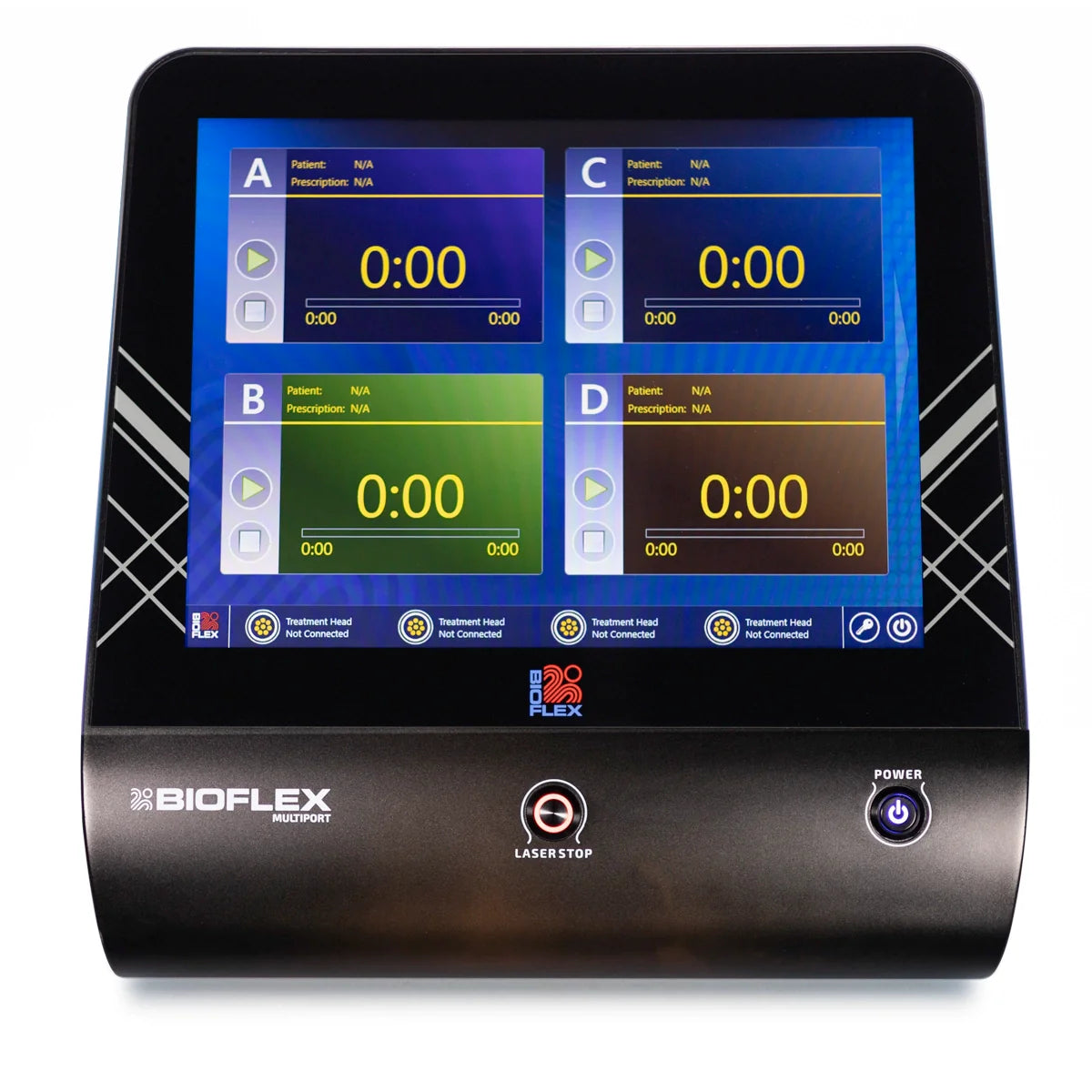
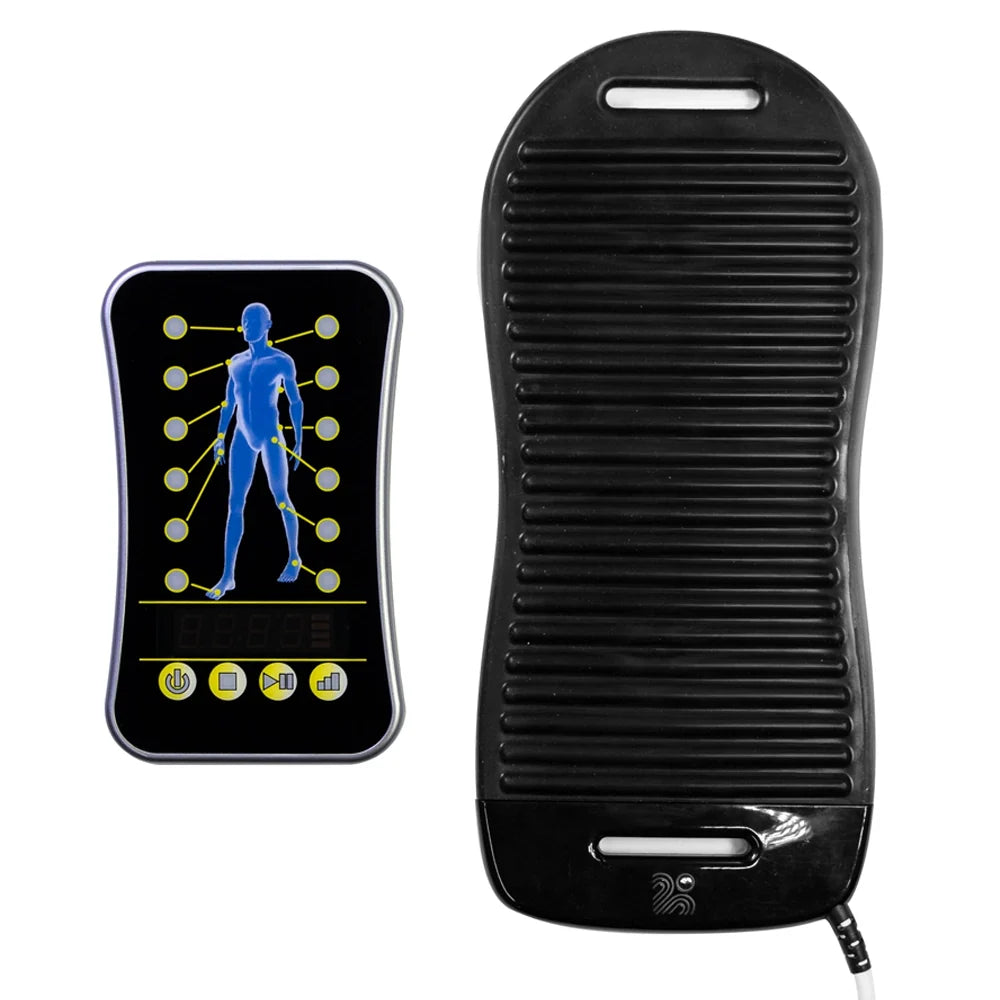
If you're weighing BIOFLEX at-home treatment vs in-clinic sessions, the honest answer is: it depends on what you're treating, how often you need it, and whether you'd rather pay once or pay per visit. BIOFLEX makes both paths possible — from the clinic-grade MultiPort System practices install for staff-run sessions, to the P180 Personal Therapy System patients and consumers use at home between (or instead of) office visits.
This guide breaks down the real differences: cost over time, dosing control, convenience, and who each option actually fits — no sales spin, just the tradeoffs.
The Core Tradeoff
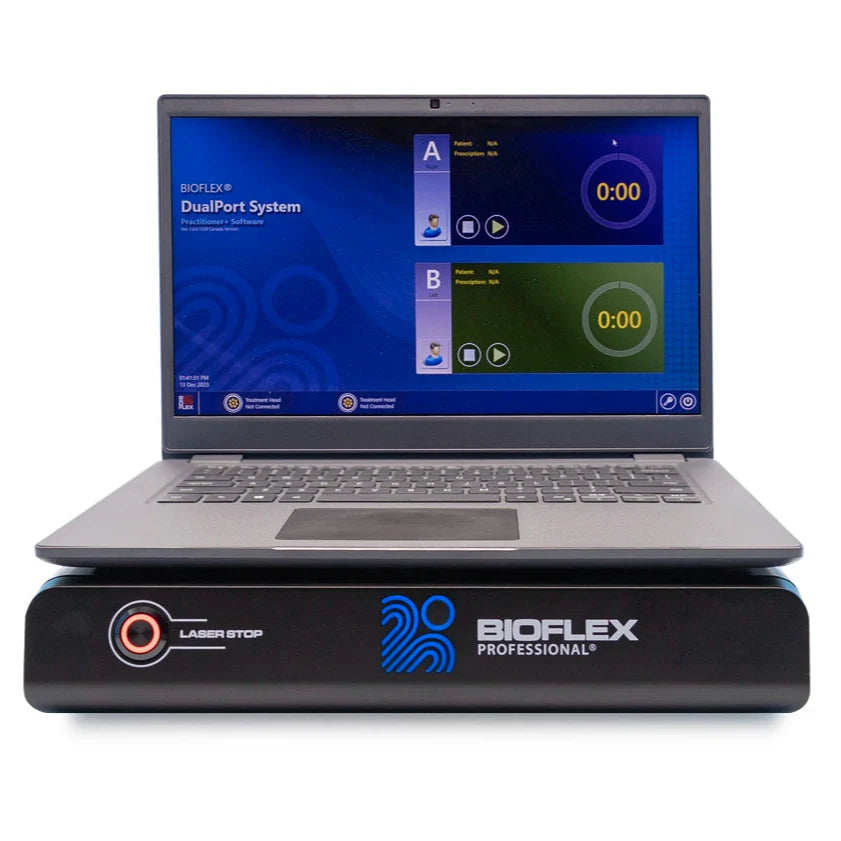
In-clinic BIOFLEX sessions on a MultiPort or Dualport system are run by a trained provider, who can treat multiple zones at once, adjust dosing in real time, and combine laser therapy with other in-office modalities. You're paying for expertise and equipment you don't have to store, maintain, or learn to operate.
At-home treatment with a BIOFLEX P180 shifts that cost structure. You pay once for the device, then treat yourself on your own schedule, with no per-visit fee and no drive time. The tradeoff is that you're self-administering — which works well for consistent, well-understood problem areas, but isn't a substitute for a clinician managing a complex or evolving condition.
BIOFLEX At-Home vs In-Clinic: Comparison Table
| Factor | In-Clinic (MultiPort / Dualport) | At-Home (BIOFLEX P180) |
|---|---|---|
| Price | $27,879–$34,240 (practice investment) + per-session staff time | $5,395 one-time |
| Best for | Practices treating many patients across multiple zones/conditions daily | Individuals managing a specific, recurring problem area long-term |
| Dosing control | Adjusted live by a trained provider; multi-zone simultaneous treatment | Pre-set programs; single-zone, self-administered |
| Convenience | Requires scheduling and travel | Treat at home, any time, no appointment |
| HSA/FSA eligible | Yes (practice purchase, consult your plan) | Yes, with a Letter of Medical Necessity |
| Who picks this | Chiropractors, PTs, and clinics building a laser therapy service line | Patients graduating from in-clinic care; individuals with a chronic, localized issue |
When the Cheaper Option (At-Home) Is Actually the Right Call
If you already know your problem area — a stubborn shoulder, a chronic low-back flare, plantar fasciitis that keeps coming back — and a clinician has already confirmed laser therapy helps you, the P180 is often the smarter long-term buy. You stop paying per visit and can treat as often as your body needs it. For someone treating consistently for months or years, the math tends to favor ownership.
When In-Clinic Is Worth the Higher Cost
If you haven't been evaluated yet, have multiple problem areas, or need a provider to combine laser therapy with adjustments, soft-tissue work, or other modalities in the same visit, in-clinic care is the better starting point. Practices also benefit from the MultiPort or Dualport's ability to treat two zones (or two patients) simultaneously — something a personal device isn't built for.
Our Take
Justin Webster, owner of Your Health Sanctuary, has met BIOFLEX's leadership personally and is adding the P180 to his own setup this year. His take: "The #1 mistake I see is people shopping by price first instead of weighing the short- and long-term benefit. A clinic session and a home device solve different problems — figure out which one you actually have before you decide where to spend."
HSA/FSA Eligibility
Both the in-clinic BIOFLEX systems (as a practice purchase) and the at-home P180 (as a personal device) can qualify for HSA/FSA reimbursement, typically with a Letter of Medical Necessity from a licensed provider. Confirm specifics with your plan administrator before purchasing.
Frequently Asked Questions
Is at-home BIOFLEX treatment as effective as in-clinic sessions?
For a single, well-defined problem area that's already been evaluated by a provider, at-home treatment with the P180 can deliver comparable ongoing relief. It isn't a substitute for a clinician diagnosing or managing a complex or multi-area condition.
How much does a BIOFLEX at-home device cost compared to clinic visits?
The P180 is a one-time purchase of $5,395. In-clinic sessions are typically billed per visit at the practice's discretion, so frequent, long-term users often find the at-home device pays for itself over time.
Can I use an at-home BIOFLEX device without a clinician's guidance?
You can, but we recommend an initial evaluation from a chiropractor, PT, or physician to confirm laser therapy is appropriate for your condition and to guide dosing before you self-administer.
Which BIOFLEX system is used in clinics?
Clinics typically choose the MultiPort System or Dualport System, which support multi-zone or simultaneous two-patient treatment — something the personal P180 isn't designed for.
Is BIOFLEX at-home treatment covered by HSA or FSA?
Yes, in most cases, with a Letter of Medical Necessity from your provider. Confirm the details with your plan administrator before purchasing.
What's the biggest mistake people make when choosing between the two?
Shopping on sticker price alone. A $5,395 device that replaces years of per-visit costs, or a clinic relationship that catches problems a home device would miss, can both be the "cheaper" option depending on your situation — the real comparison is total value over time.
Not Sure Which BIOFLEX Fits Your Situation?
Call (612) 360-2490 and talk to Your Health Sanctuary directly — we work with clinicians and individuals to match the right BIOFLEX system to the problem you're actually solving.
About the Author
Justin Webster is the owner of Your Health Sanctuary. Before founding his consulting company, he served as COO of a chain of 13 medical clinics, then spent his career helping build more than 20 additional niche medical clinics across the United States. Working alongside MDs, chiropractors and physical therapists introduced him to the clinical-grade equipment that practitioners actually prescribe. That background, combined with direct relationships with manufacturers including HealthLight and BIOFLEX, shapes how Your Health Sanctuary evaluates and recommends recovery technology. Justin personally owns and uses the HealthLight General Pain Relief Kit. Your Health Sanctuary sells primarily to medical professionals and clinicians, not consumer gadget buyers.
Related reading: Which BIOFLEX Is Right for You? and our BIOFLEX MultiPort System Review.