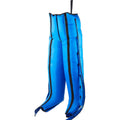


The Ultimate Guide to Compression Sleeves for Legs, Performance, and Recovery
If you've ever seen athletes, runners, or fitness enthusiasts wearing snug-fitting fabric around their calves or thighs, you've probably spotted a leg compression sleeve. These sleeves have become one of the most versatile accessories for fitness, sports performance, and recovery. But compression sleeves aren’t limited to athletes anymore — they’ve become a mainstream tool for anyone looking to improve circulation, reduce swelling, or enhance muscle recovery after an active day.
At Your Health Sanctuary, we believe in combining science-backed wellness solutions with practical fitness tools that actually work. In this guide, we’ll deeply explore what compression sleeves for legs are, how they work, who should use them, and how to choose the right pair for your individual goals.
Whether you’re running marathons, recovering from an injury, battling leg fatigue from long workdays, or simply seeking improved circulation, this guide will help you understand how compression sleeves can become a valuable part of your performance and recovery routine.
What Are Compression Sleeves for Legs?
A leg sleeve (also called a leg compression sleeve) is a form-fitting garment designed to apply uniform pressure around your leg — most commonly from ankle to knee or knee to thigh — depending on the type. Made from stretchable, elastic materials such as nylon, spandex, or microfiber blends, these sleeves exert graded compression, meaning the pressure is strongest near the ankle and gradually decreases up the leg.
This design supports optimal blood flow back toward the heart, helping to stabilize muscles, reduce vibrations during activity, and speed up recovery afterward. Whether used during workouts, travel, or even sitting at a desk all day, compression sleeves for legs are engineered for both comfort and performance.
How Compression Sleeves Work
To appreciate the real benefits of compression sleeves, it’s helpful to understand what happens inside your body when you wear them.
-
Improved Blood Circulation: Compression sleeves gently squeeze the leg muscles, which helps veins push blood back to the heart more efficiently. This reduces pooling of blood in the lower limbs — often a primary cause of fatigue, swelling, or heaviness.
-
Enhanced Oxygen Delivery: Better circulation means more oxygen gets delivered to the muscles and tissues, which can delay fatigue during strenuous activities.
-
Reduced Muscle Vibration and Damage: During running or high-impact workouts, constant micro-vibrations in muscles lead to soreness and minor damage. A leg sleeve minimizes this muscle oscillation, improving endurance and recovery.
-
Lactate Removal and Recovery Aid: Compression promotes faster clearance of metabolic waste like lactic acid, which helps speed recovery after exercise.
In essence, wearing compression sleeves provides both immediate and long-term benefits for your legs’ vascular health and muscular performance.
Key Benefits of Wearing Compression Sleeves for Legs
Compression sleeves aren’t just about aesthetics — their true value lies in their functional benefits across multiple areas of wellness and performance. Here’s what makes them essential for athletes and everyday users alike:
1. Enhanced Athletic Performance
Athletes often use leg compression sleeves to improve endurance and reduce fatigue during long runs, cycling sessions, or games. The improved circulation ensures your muscles receive optimal oxygen flow, which translates to increased stamina and delayed onset of fatigue.
2. Faster Post-Workout Recovery
After intense exercise, your muscles accumulate waste products like lactic acid, leading to soreness and stiffness. Wearing compression sleeves post-workout helps flush out these byproducts while promoting fresh blood flow — meaning faster recovery and reduced soreness.
3. Swelling and Inflammation Relief
For people who stand or sit for long hours — think healthcare workers, retail staff, or desk-bound professionals — compression sleeves for legs help control swelling (edema) and relieve inflammation caused by restricted circulation or gravitational pooling.
4. Injury Prevention and Support
By providing gentle support and improving proprioception (your body’s sense of muscle positioning), compression sleeves can prevent injuries such as shin splints or calf strains. They also support existing injuries by stabilizing muscles and reducing further strain.
5. Improved Comfort During Travel
Long flights or car rides can restrict blood flow and increase the risk of deep vein thrombosis (DVT). Wearing compression sleeves during travel can help mitigate that risk by maintaining circulation and reducing leg discomfort.
Types of Compression Sleeves for Legs
The term “compression sleeves” covers several variations depending on their design and purpose. Selecting the right type depends on your needs.
1. Calf Compression Sleeves
These cover the area from below the knee to just above the ankle. Perfect for runners, cyclists, and commuters, calf leg sleeves boost circulation and limit muscular vibration during workouts.
2. Thigh Compression Sleeves
Thigh sleeves are longer and are often used by athletes involved in sprinting, soccer, or weight training. They support the quadriceps and hamstrings, reducing strain in large upper leg muscles.
3. Full-Leg Compression Sleeves
Covering the entire leg, these are best for people who experience swelling or circulation issues in both calves and thighs. They’re commonly used for medical recovery and post-surgical support.
4. Graduated Compression Sleeves
These sleeves have graduated pressure levels — tighter at the ankle, looser toward the knee — to optimize blood flow upward. They’re ideal for both athletic and medical use.
5. Medical-Grade Compression Sleeves
These are prescribed by physicians to treat chronic conditions like lymphedema, varicose veins, or post-surgery swelling. Unlike general-use sleeves, they offer specifically measured compression ratings in millimeters of mercury (mmHg).
Compression Levels Explained
Compression sleeves come with different pressure ratings, measured in mmHg (millimeters of mercury). Understanding these levels helps you choose the ideal sleeve for your goal:
| Compression Level | Pressure Range | Best Used For |
|---|---|---|
| Mild (8–15 mmHg) | Light pressure | Everyday wear, comfort, mild fatigue |
| Moderate (15–20 mmHg) | Noticeable compression | Mild swelling, sports, long travel |
| Firm (20–30 mmHg) | High pressure | Sports recovery, varicose veins, post-workout recovery |
| Extra Firm (30–40 mmHg) | Medical-level pressure | Medical recovery under doctor supervision |
If you’re using compression sleeves for legs recreationally or for performance, a moderate compression level (15–20 mmHg) usually works best. For medical use, always consult your healthcare provider.
Choosing the Right Leg Compression Sleeve
Finding the perfect sleeve requires more than simply picking the correct size. Here’s what to consider when buying a leg compression sleeve for your needs:
1. Purpose of Use
- For sports performance: Choose breathable, moisture-wicking fabrics tailored for active use.
- For recovery: Opt for firmer compression sleeves with thicker material.
- For medical reasons: Look for certified medical-grade sleeves offering precise mmHg ratings.
2. Proper Fit and Sizing
Measure your calf circumference at the widest part, your ankle circumference, and your leg length. Sleeves that are too tight may restrict blood flow, while overly loose sleeves won’t provide enough compression.
3. Material Quality
High-quality fabrics such as nylon-spandex blends ensure durability, flexibility, and moisture control. Avoid sleeves that cause discomfort or excessive heat buildup.
4. Graduated Pressure Design
Always ensure the compression is graduated — tighter near the ankle and looser toward the top — for maximum circulation benefits.
5. Ease of Maintenance
Look for machine-washable materials that don’t lose elasticity after repeated wear.
When to Wear Compression Sleeves
The great thing about compression sleeves for legs is their versatility. Here are some everyday times you might choose to wear them:
- During workouts: Enhance endurance and muscle support during running, CrossFit, or HIIT training.
- After workouts: Reduce soreness and speed up muscle recovery.
- During travel: Prevent leg swelling or stiffness during long flights.
- At work: Minimize fatigue from standing or sitting for extended hours.
- During recovery: Aid in recuperation after surgery, physical therapy, or an injury.
Some people even wear mild compression sleeves throughout the day, similar to compression socks, to reduce general fatigue and leg heaviness.
Compression Sleeves vs. Compression Socks
A common question is: What’s the difference between a compression sleeve and a compression sock?
Here’s the breakdown:
- Compression sleeves cover only the leg, leaving your feet uncovered.
- Compression socks extend from the foot up to the knee and provide full lower-leg coverage.
Sleeves are perfect for people who prefer open-foot designs — such as athletes wearing specific footwear or those needing freedom around the foot. Socks, meanwhile, are better for full-foot support and protection against swelling in the ankles or feet.
Both can coexist nicely in your wardrobe — athletes often wear leg compression sleeves for workouts, then switch to compression socks post-training for recovery.
Real-World Applications of Compression Sleeves
1. Running and Endurance Sports
Runners love compression sleeves for legs for their ability to sustain circulation during long races. They help reduce shin splints and muscle fatigue and can even shorten recovery windows.
2. Cycling and Triathlons
For cyclists, compression aids in oxygen delivery to the calf and thigh muscles, particularly beneficial during multi-hour rides or triathlon transitions.
3. Strength Training and Gym Workouts
While less common in weight rooms, compression gear helps stabilize muscles during heavy lifting, squats, and lunges, reducing strain while maintaining alignment.
4. Work and Everyday Life
Standing all day at work can lead to sore legs and swollen ankles. Wearing mild compression sleeves under your pants can make a huge difference in comfort and circulation.
5. Post-Surgery Recovery
Under medical supervision, compression sleeves can prevent deep vein thrombosis or post-operative swelling, supporting patients during healing.
Tips for Getting the Most Out of Your Compression Sleeves
- Follow manufacturer care instructions. Wash sleeves in cold water and air dry to preserve elasticity.
- Put them on in the morning. Applying sleeves early in the day when swelling is minimal improves comfort and effectiveness.
- Avoid rolling or folding. Rolled cuffs can pinch or restrict blood flow.
- Alternate pairs. Having multiple sleeves ensures consistent compression and hygiene.
- Combine with recovery tools. For full recovery benefits, pair compression sleeves with proper hydration, stretching, and nutrition.
Common Myths About Compression Sleeves
Despite their popularity, compression sleeves are sometimes misunderstood. Let’s bust a few myths.
Myth #1: Only professional athletes need compression sleeves.
Truth: Anyone — from office employees to travelers — can benefit from improved circulation and reduced fatigue.
Myth #2: Compression sleeves stop blood flow.
Truth: Properly fitted sleeves support, not restrict, circulation. Poorly sized or overly tight sleeves may cause discomfort but not if chosen correctly.
Myth #3: They’re only for recovery.
Truth: Many athletes use them during activity to enhance performance, not just afterward.
Myth #4: You can’t wear them every day.
Truth: Mild-compression versions are designed for daily wear and long-term comfort.
How to Measure for the Right Fit
Measuring correctly ensures your leg compression sleeve functions as intended:
- Measure your calf circumference at the widest point.
- Measure your ankle circumference at its narrowest point.
- Measure the distance from your ankle to just below the knee.
Compare your numbers with the size chart provided by the manufacturer. Avoid guessing — a sleeve too tight can be counterproductive.
Compression Sleeves and Recovery Science
Several recent studies have supported the recovery benefits of compression garments. Scientists have found that athletes wearing compression sleeves for legs after intense training sessions demonstrated:
- Lower muscle soreness 24–48 hours post-exercise.
- Reduced muscle vibration and soft tissue damage during performance.
- Faster clearance of lactate from the bloodstream.
- Improved perception of recovery and comfort.
The physiological explanation lies in venous return enhancement. By optimizing the one-way valves of leg veins, compression prevents blood stagnation and accelerates the removal of waste metabolites. For an athlete or anyone physically active, that means getting back to training or daily life faster and more comfortably.
Are There Any Risks or Limitations?
While compression gear offers multiple benefits, improper use can lead to discomfort. Keep in mind:
- Always use the correct compression level; going too high can cause numbness or tingling.
- Take breaks if your sleeves feel overly tight or your skin becomes irritated.
- People with certain medical conditions (like peripheral artery disease) should consult a doctor before regular use.
When used responsibly, compression sleeves are not only safe but highly beneficial to overall leg health.
Best Practices for Buying and Using Compression Sleeves
- Purchase from reputable sources that list pressure ratings and provide clear size charts.
- Choose colors and styles that motivate you — compression gear should feel empowering, not clinical.
- Test one pair before buying multiple sets; comfort and feel vary between brands.
- Combine your use with good resting, stretching, and massage routines for optimal recovery.
Final Thoughts: Investing in Better Leg Health
Whether you’re an elite athlete, a weekend warrior, or someone seeking relief from daily leg fatigue, a leg compression sleeve offers a simple yet powerful tool to enhance comfort and performance. Their mix of technology, therapy, and mobility support makes them one of the most effective wellness investments you can make.
At Your Health Sanctuary, we’re passionate about helping people achieve holistic health and recovery. A quality pair of compression sleeves for legs can quite literally change how your body feels after workouts or long hours on your feet. By improving circulation, supporting muscles, and accelerating recovery, they empower you to move better — every single day.
So the next time you lace up your running shoes, prepare for a gym session, or set out on a cross-country trip, don’t forget your compression sleeves — your legs will thank you.