
Shoulder Ice Pack Machine Guide for Safer Home Use
If you're sitting in a recliner at 11 p.m. with a sling on, pain medication in your system, and a cooler-style unit humming next to you, the main question isn't how cold you can make your shoulder. This shoulder ice pack machine guide covers how to get pain relief without irritating your skin, numbing the area too long, or overtightening the wrap.
A shoulder ice pack machine can be useful after a shoulder injury or procedure when your clinician recommends cold therapy. Safer home use depends on four things: the right type of machine, a good skin barrier, conservative session timing, and a fit that cools the shoulder without cutting off circulation.
What Is a Shoulder Ice Pack Machine?
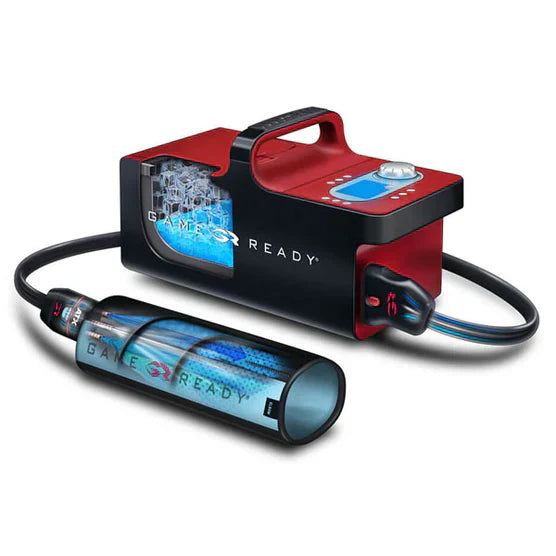
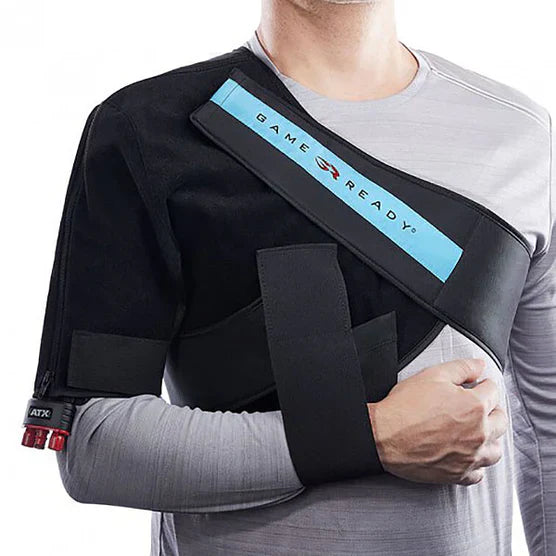
A shoulder ice pack machine is a home cold therapy device that circulates chilled water through a shoulder pad or wrap, typically covering the front, side, and sometimes back of the shoulder. Unlike a loose gel pack that warms up quickly and slips out of position, a machine can keep the pad cold for a longer session and distribute cold more evenly across a curved joint. Some systems, like the Game Ready GRPro 2.1 with its shoulder wrap, add active pneumatic compression that gently inflates and deflates alongside the cold.
Cold therapy is commonly used for short-term pain and swelling management after soft-tissue injuries. The American Academy of Orthopaedic Surgeons gives a practical baseline for acute soft-tissue care: use ice for about 20 minutes at a time, several times per day, and don't apply ice directly to skin. For shoulder use at home, that same safety mindset matters even more because the pad is often strapped in place and may feel less intense once the skin becomes numb.
Is a Machine Safer Than a Regular Ice Pack?
| Option | Best fit | Main watch-out |
|---|---|---|
| Gel ice pack or bag of ice | Short, occasional icing | Uneven cold spots and direct skin contact can irritate skin |
| Basic circulating shoulder machine | Repeated home sessions with a shoulder pad | Sessions can run too long without a timer |
| Cold compression machine (e.g. Game Ready) | Recovery plans where cold plus controlled compression is prescribed | Compression shouldn't be too tight or used without medical direction in higher-risk patients |
| Iceless cold therapy unit | Homes where ice handling is difficult | Temperature settings and manufacturer instructions matter even more |
Postoperative shoulder research has found that cryotherapy improved comfort measures after shoulder procedures, though more cold isn't always better. A systematic review of the ice therapy research found evidence supported some uses of ice therapy but showed real protocol differences across trials — we treat cold therapy as a helpful tool, not a cure-all.
How to Use a Shoulder Ice Pack Machine Safely at Home
Start with the written instructions from your surgeon, physical therapist, or device manufacturer. Johns Hopkins Medicine gives similar general guidance for cold packs, including limiting cold exposure to about 20 minutes and protecting the skin rather than placing cold directly on it.
Home safety checklist before your first session:
- Put a thin, dry cloth or manufacturer-approved barrier between the pad and skin unless instructions say otherwise
- Check the shoulder skin before you start so you know what normal color looks like
- Keep the pad snug, not tight — you shouldn't feel pulsing, tingling, or pressure in the hand
- Use a timer every session, especially at night
- Check your skin after 5 to 10 minutes during the first few uses
- Stop if you notice burning pain, unusual numbness, pale or blue skin, blistering, rash, dizziness, or worsening pain
How Long Should You Run It?
| Situation | Conservative approach | Safety note |
|---|---|---|
| First day using the machine | 10–15 min to test skin response | Check skin halfway through |
| General soreness or swelling | 15–20 min | Recheck skin color after removing the pad |
| Evening use | Shorter timed session | Don't fall asleep with the machine running |
| Numb shoulder after nerve block | Use only with medical direction and close supervision | Reduced sensation can hide excessive cold |
Never sleep with a shoulder ice pack machine running unless your clinician and the device instructions specifically allow it. If you're tired, groggy, or on medication that makes you drowsy, ask a caregiver to manage the timer or skip the session.
Who Should Avoid It Without Medical Clearance?
Ask your clinician first if you have diabetes-related nerve changes, reduced skin sensation, Raynaud's disease, poor circulation, peripheral vascular disease, a history of cold allergy, fragile skin, an open wound near the pad area, or an active infection. If the machine includes compression, also ask first if you have a known or suspected blood clot, significant swelling of the arm or hand, or vascular problems. Caregivers should be extra careful with older adults, children, and anyone who can't reliably describe what they feel.
Setup Basics
Put the cooler on a stable surface where it won't be kicked or tipped. Fill it exactly as the manufacturer instructs — don't add salt unless specifically allowed. Place a dry barrier over the shoulder if recommended, then position the pad so it covers the sore area without bunching in the armpit or pressing on the neck. Fasten straps lightly at first, start the unit, then adjust only enough to keep contact. Watch your hand during the session — it shouldn't become increasingly swollen, blue, pale, or tingly. After the session, remove the pad fully and inspect the skin; it can remain cold even after the pump stops.
Frequently Asked Questions
Can I sleep with a shoulder ice pack machine on?
No, not unless your clinician and the device instructions specifically allow it. Stay awake, use a timer, and remove the pad after the session.
How tight should the shoulder pad be?
Snug enough to stay in contact with the shoulder, but not tight enough to cause tingling, throbbing, swelling, or color change in the hand.
Can I put the cold pad directly on my skin?
Usually not — use a thin cloth barrier unless the manufacturer or your clinician gives different instructions.
How many times per day can I use a shoulder ice pack machine?
That depends on your diagnosis, procedure, and clinician's plan. A conservative approach is several short sessions per day with full skin checks between.
Is a shoulder ice pack machine good for arthritis?
Cold may temporarily reduce soreness for some people with inflammatory flares, while others respond better to warmth. Ask your clinician if you have arthritis plus circulation problems or fragile skin.
What should I do if my skin turns red after using the machine?
Mild temporary redness can happen after cooling, but redness that's intense, painful, blotchy, or slow to fade is a reason to stop and contact your medical team.
The Game Ready GRPro 2.1 is HSA/FSA-eligible with a Letter of Medical Necessity, which can make a shoulder cold compression setup more affordable if you have either account.
Need a Shoulder Cold Therapy Setup?
Call (612) 360-2490 — Your Health Sanctuary can help you sort through cold compression options plainly, with free shipping and price match support.
About the Author
Justin Webster is the owner of Your Health Sanctuary. Before founding his consulting company, he served as COO of a chain of 13 medical clinics, then spent his career helping build more than 20 additional niche medical clinics across the United States. Working alongside MDs, chiropractors and physical therapists introduced him to the clinical-grade equipment that practitioners actually prescribe. That background, combined with direct relationships with manufacturers including HealthLight and BIOFLEX, shapes how Your Health Sanctuary evaluates and recommends recovery technology. Justin personally owns and uses the HealthLight General Pain Relief Kit. Your Health Sanctuary sells primarily to medical professionals and clinicians, not consumer gadget buyers.
Related reading: Shoulder Recovery: How Cold Compression Machines Help Reduce Pain & Inflammation and Game Ready vs Ice Machine: Why Pros Choose Active Compression