
HealthLight vs Kala: Clinical Contact Pads vs Big-Box Red Light Panel (2026)
HealthLight vs Kala pits a clinician-focused, FDA-cleared contact-pad system against a retail red light panel sold through big-box channels. Both use red and near-infrared light, but they are built for different buyers: HealthLight for practitioners and patients who want a documented pain-relief clearance, Kala for home users who want a lower-priced panel they can pick up at a warehouse club or retailer. Here is an honest look at both, including when the cheaper one is enough.
Quick Comparison Table
| Feature | HealthLight (General Pain Relief Kit) | Kala (Red Light Pro Panel) |
|---|---|---|
| Price | $2,040 | Roughly $400 to $800 depending on retailer, sale and currency; one Sam's Club listing showed $419 |
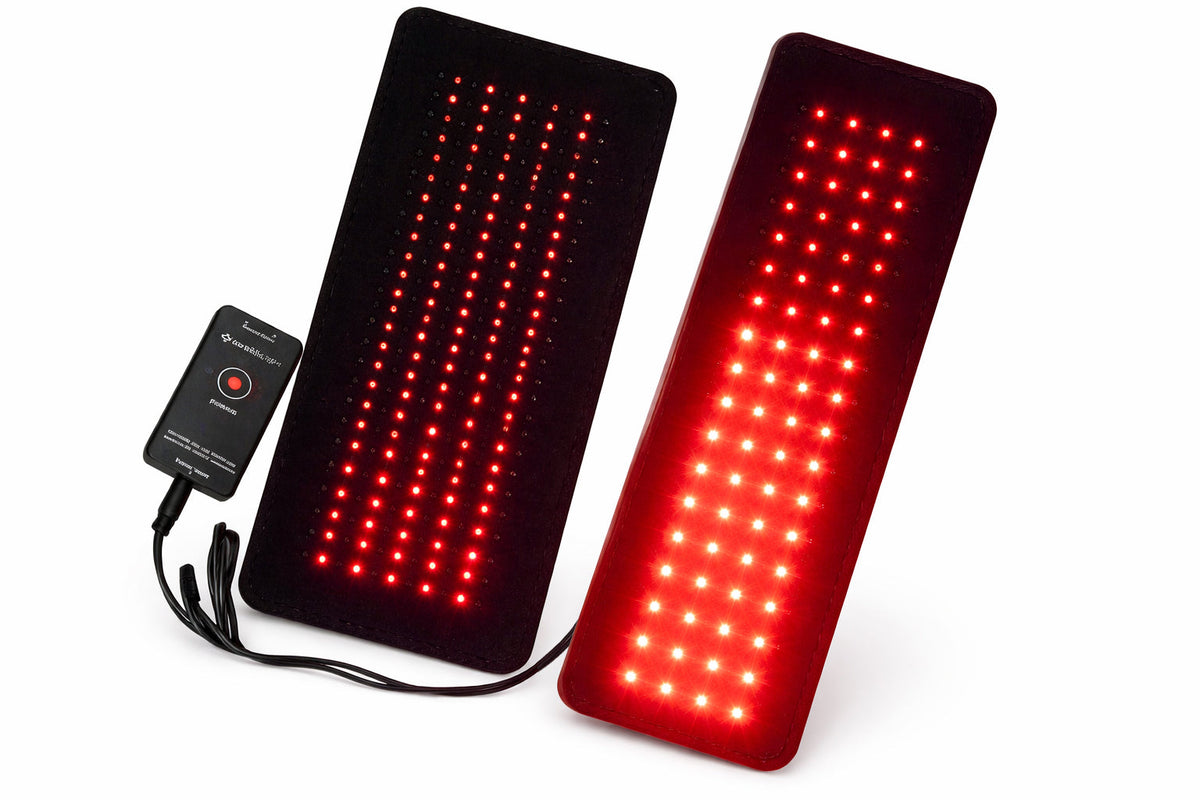
| Format | Flexible, contact-based body pads that wrap the treated area | Rigid free-standing panel with a kickstand; about 14 x 9 x 2.5 inches per one retailer listing |
| Wavelengths and LEDs | Red + near-infrared (clinical pain-relief spectrum) | 660nm red and 850nm near-infrared in a 1:1 ratio, 85 LEDs, per one retailer listing |
| FDA status | FDA-cleared for temporary relief of minor muscle and joint pain and for increased local circulation | One retailer listing lists FDA among certifications without saying what it covers; verify with the manufacturer |
| Warranty | Manufacturer warranty, stood behind 100% by Your Health Sanctuary | 3 years, per one retailer listing |
| Primary use case | Back, joint and muscle pain anywhere on the body, including in-clinic protocols | At-home recovery and general wellness, with the panel held at a distance from the skin |
| HSA/FSA eligible | Yes | Not confirmed; check with the seller and your plan administrator |
| Who picks it | Clinicians and patients who want a documented medical clearance | Budget-minded home users who want to try red light therapy at lower cost |
What HealthLight Actually Does
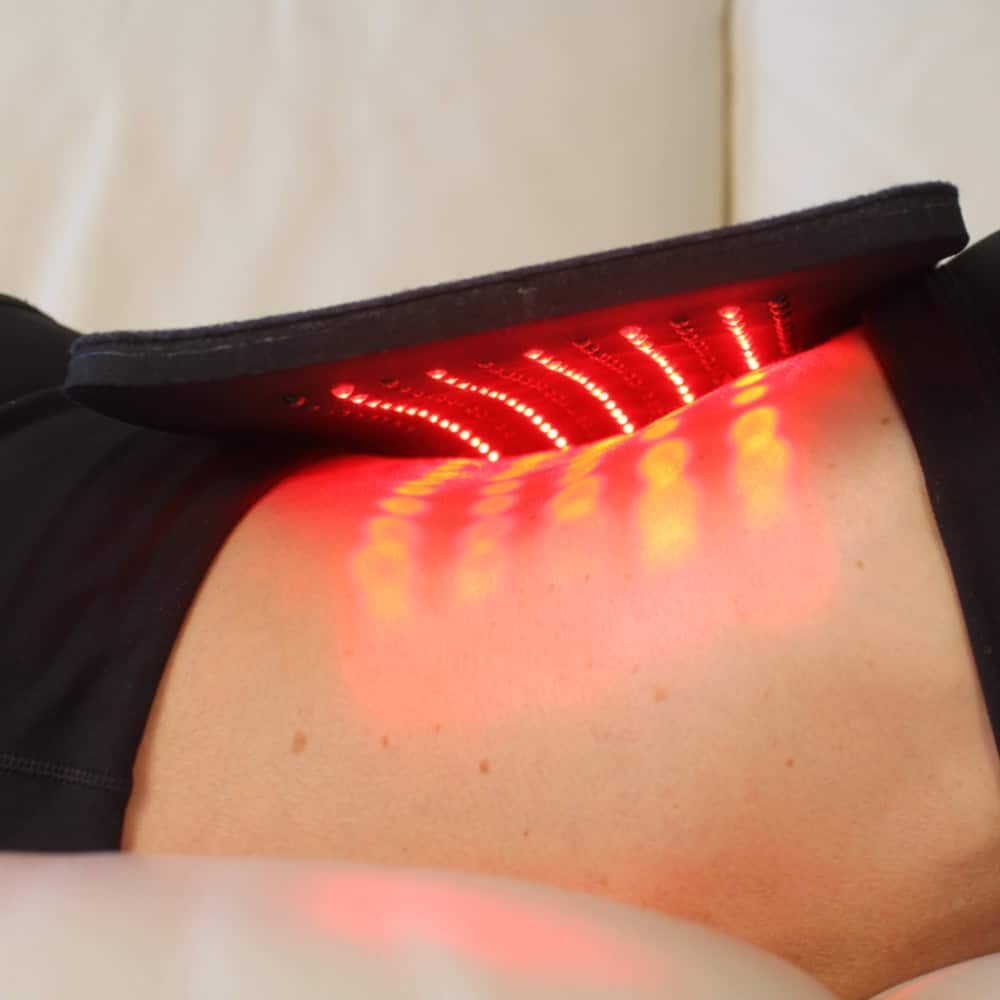
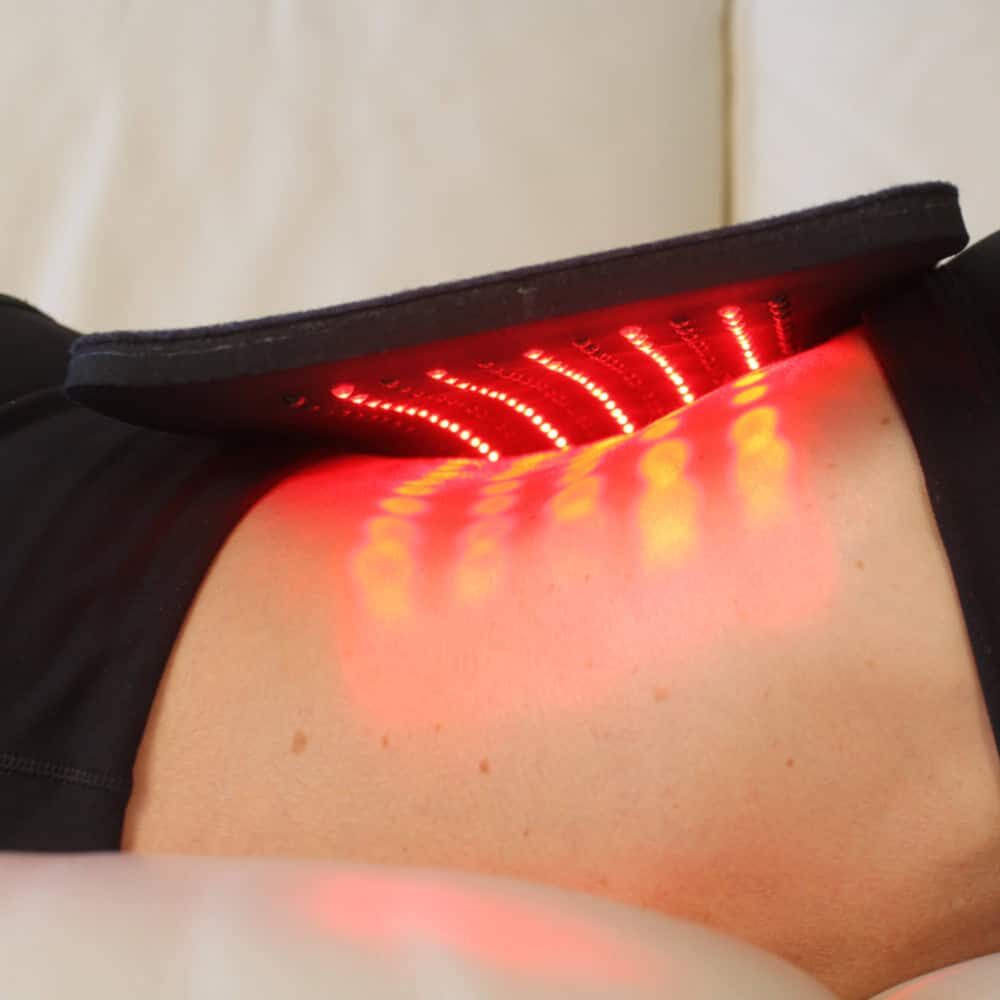
HealthLight's pads are FDA-cleared for temporary relief of minor muscle and joint pain, muscle spasm, stiffness and increased local blood circulation. Because the pads make direct skin contact and wrap around the treated area, light is delivered right where it is needed, whether that is a shoulder, a knee or a lower back. That is why HealthLight is sold mostly through chiropractors, physical therapists and clinics rather than as a consumer gadget.
What Kala Actually Does
Kala sells red light panels that are widely available through major retailers, which is a real convenience. The Red Light Pro Panel is listed with 660nm red and 850nm near-infrared light in a 1:1 ratio across 85 LEDs, a free-standing design, a 3-year warranty and a stated 50,000-hour lifespan, according to one retailer's page. Those are manufacturer-stated figures, and irradiance numbers depend on the distance at which they are measured, so they are hard to compare directly with another brand. Two honest caveats: a panel is used at a distance, so it treats a wider surface at lower concentration than a pad worn against the body, and the listing we reviewed names FDA among its certifications without stating what it covers.
Where They Overlap, and Where They Don't
Both use red and near-infrared light and both target recovery and general aches. The practical differences are format, credential and price. A pad conforms to the body and keeps the light on the target area; a panel lights a larger area from a distance and is easier to set up for general use. HealthLight's documented clearance for pain relief and circulation, plus clinic-grade positioning, is what the higher price buys. Kala's value is its accessibility and low entry cost. If you simply want to try red light at home on a budget, a panel like Kala's is a reasonable low-risk start. If you treat patients, or you want a device with a documented pain-relief clearance, HealthLight is the more directly applicable choice.
What the Evidence Says
Red and near-infrared light therapy is widely studied, and the general picture is encouraging but not magic: results depend on wavelength, dose, session consistency and the condition being treated, and no device is a cure. A device cleared by the FDA for minor pain relief has met a defined regulatory standard for that claim; a device without a clearly stated clearance may still deliver light, but the claim has not been through the same review. Neither option replaces evaluation by a licensed clinician for persistent or worsening pain.
HSA/FSA Eligibility
HealthLight products qualify for HSA/FSA based on their pain-relief FDA clearance. For Kala, eligibility was not confirmed on the listings we reviewed, so ask the seller and your plan administrator before you buy. Rules and documentation requirements vary by plan.
Our Take
Justin Webster chose HealthLight as a cornerstone brand after speaking directly with their management team, and he sees it as a genuinely up-and-coming company, not just a label on a panel. His view of a comparison like this one comes from a pattern he sees constantly: the number one mistake buyers make is shopping by price first instead of weighing short- and long-term benefits. Do the research and buy the right tool once. Kala is a fair option for a casual home trial, but for clinicians and anyone dealing with real, ongoing pain, the device with a documented pain-relief clearance usually wins. Your Health Sanctuary sells mostly to chiropractors and medical professionals, which is why we lean that way.
Frequently Asked Questions
Is Kala FDA-cleared for pain relief?
One retailer listing for the Kala Red Light Pro Panel lists FDA among its certifications but does not say what it covers. HealthLight's pads are FDA-cleared for temporary relief of minor muscle and joint pain and for increased local circulation.
Is Kala cheaper than HealthLight?
Yes. Kala's Red Light Pro Panel is seen at roughly $400 to $800 depending on retailer and sale, compared with $2,040 for the HealthLight General Pain Relief Kit. The two differ in format, clearance status and intended buyer, so the price gap is not like-for-like.
Is a panel or a contact pad better for pain?
A contact pad keeps the light against the treated area, which suits targeted pain protocols. A panel covers a wider area from a distance and suits general wellness use. The better fit depends on whether you need targeted pain relief or broad coverage.
Are both eligible for HSA/FSA spending?
HealthLight qualifies through its pain-relief FDA clearance. Kala's eligibility was not confirmed on the listings we reviewed, so confirm with the seller and your plan administrator.
What warranty does Kala offer?
One retailer listing shows a 3-year warranty for the Red Light Pro Panel. Your Health Sanctuary stands behind every HealthLight manufacturer warranty 100%.
Who should buy Kala and who should buy HealthLight?
Kala suits budget-minded home users who want to try red light therapy at a lower price. HealthLight suits clinicians, and patients who want a documented FDA-cleared pain-relief system.

Related Products
Related Reading
- Which HealthLight Kit Is Right for You? 2026 Buyer's Guide
- HealthLight vs HigherDOSE: Which Red Light Therapy System Is Right for You? (2026)
Get Relief With a Documented Medical Clearance
Talk to a HealthLight specialist about which kit fits your pain points, or shop the systems Justin personally uses and recommends.
Shop General Pain Relief Kit Shop Ultimate Body Kit
Questions? Call our recovery specialists at (612) 360-2490.
About the Author
Justin Webster is the owner of Your Health Sanctuary. Before founding his consulting company, he served as COO of a chain of 13 medical clinics, then spent his career helping build more than 20 additional niche medical clinics across the United States. Working alongside MDs, chiropractors and physical therapists introduced him to the clinical-grade equipment that practitioners actually prescribe. That background, combined with direct relationships with manufacturers including HealthLight and BIOFLEX, shapes how Your Health Sanctuary evaluates and recommends recovery technology. Justin personally owns and uses the HealthLight General Pain Relief Kit. Your Health Sanctuary sells primarily to medical professionals and clinicians, not consumer gadget buyers.