
HealthLight for Quad Muscle Tightness: Does Red Light Therapy Help Thigh Stiffness? (2026)
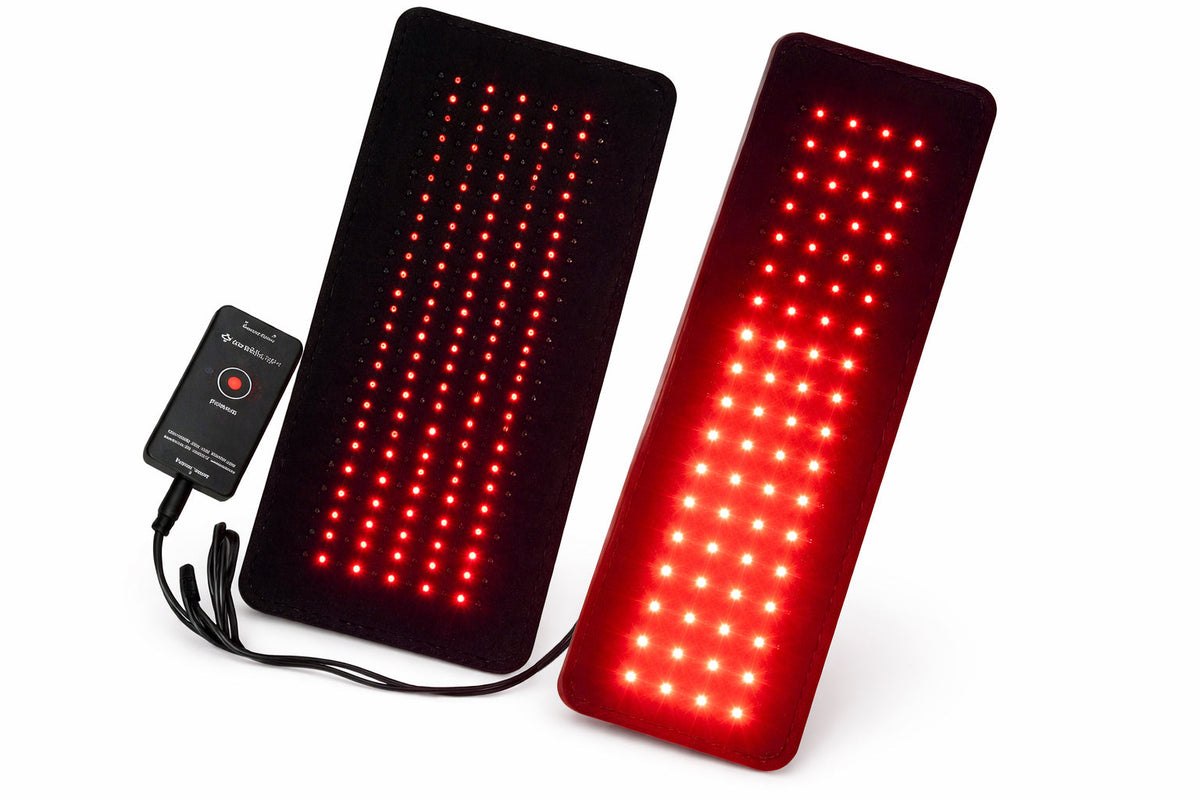
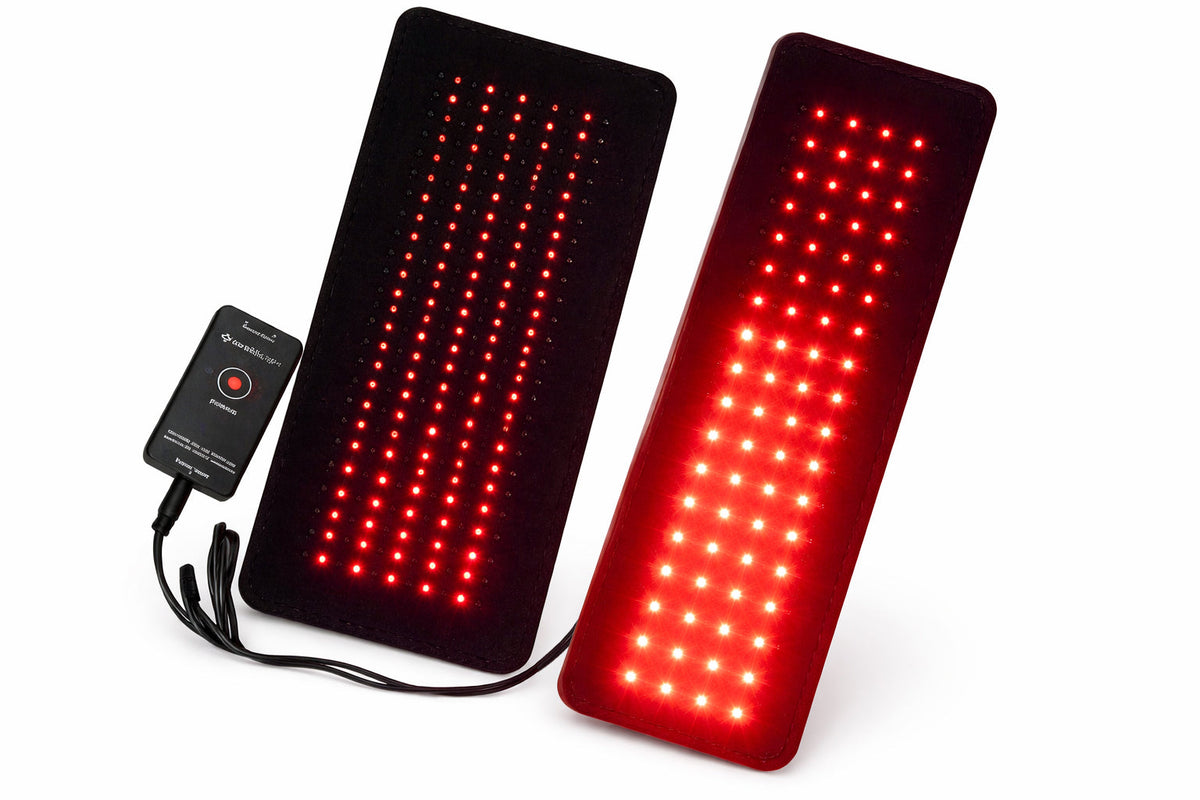
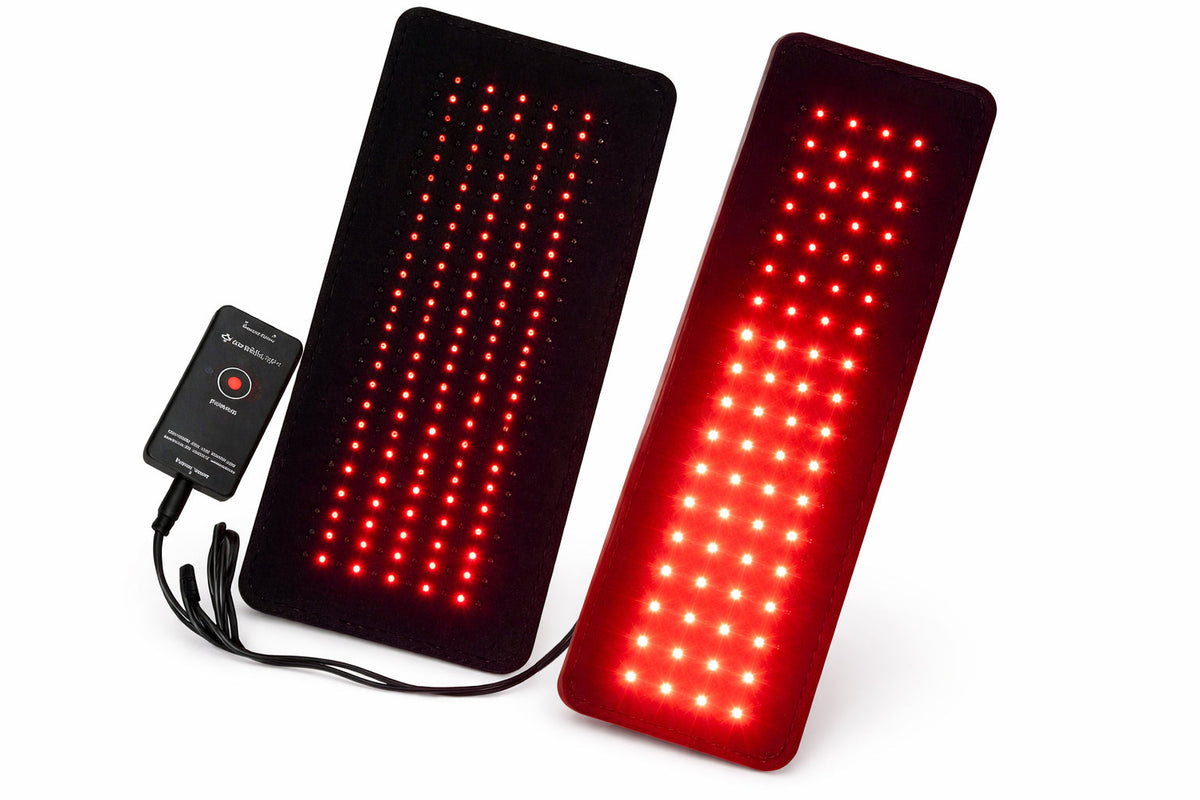
Tight quadriceps are one of the most common complaints among runners, cyclists, people who sit for long stretches, and anyone ramping up a new leg-day routine. If you've been searching for HealthLight for quad muscle tightness, you're likely trying to figure out whether red light therapy pads are a reasonable addition to your stretching and recovery routine, or whether they're overkill for a muscle that just needs to loosen up. This guide lays out what quad tightness actually is, what HealthLight's FDA clearance does and doesn't cover, and where a contact-pad red light device like the HealthLight General Pain Relief Kit or Ultimate Body Kit fits alongside the basics: stretching, mobility work, and guidance from a physical therapist or trainer when tightness doesn't resolve on its own.
What "Tight Quads" Usually Means
The quadriceps are a group of four muscles running down the front of the thigh, and they're under near-constant load whether you're walking, climbing stairs, squatting, or sitting with your hips flexed for hours at a desk. Tightness in this muscle group is typically described as a sensation of stiffness, reduced range of motion in the knee or hip, or a pulling feeling when stretching, rather than sharp or radiating pain. Common contributors include a hard training block without adequate warmup or cooldown, prolonged sitting, muscle imbalances between the quads and hamstrings, and simply not stretching a muscle group that works hard every day.
Quad tightness is generally a muscular and mobility issue rather than a nerve, vascular, or structural one. If tightness is paired with numbness, tingling, swelling, bruising, or sharp pain that doesn't ease with rest, that's a reason to get it checked out by a physical therapist or physician rather than relying on a device or a stretching routine alone.
Where HealthLight Fits, and Where It Doesn't
HealthLight's devices carry FDA clearance for temporary relief of minor muscle and joint pain, minor arthritis pain, and stiffness, along with promotion of local blood circulation. That clearance covers the kind of everyday stiffness and achiness that comes with tight quads reasonably well. It is not a clearance for treating a specific diagnosis, a nerve condition, a strain or tear, or any kind of swelling, and nothing about contact-pad red light therapy should be read as a claim that it fixes the underlying cause of tightness. Think of it as one tool that may help the muscle feel less stiff in the moment, used alongside stretching, mobility work, and a trainer's or physical therapist's guidance, not a replacement for any of those.
Quick Reference: HealthLight for Quad Muscle Tightness
| What You're Asking | What Applies to HealthLight |
|---|---|
| FDA-cleared use | Temporary relief of minor muscle and joint pain, minor arthritis pain, and stiffness; promotion of local blood circulation |
| Format for the thigh | Contact pads positioned over the front of the thigh, connected to a HealthLight controller |
| Used instead of stretching/PT? | No — intended alongside stretching, mobility work, and professional guidance, not as a replacement |
| Session guidance | Follow the instructions included with your specific HealthLight device |
| HSA/FSA eligible | Typically yes as a medical device; confirm specifics with your plan administrator |
| Where to check exact specs | The individual HealthLight product page for the kit you're considering |
Stretching and Self-Care for Tight Quads
Basic quad mobility work is the foundation most physical therapists start with: a standing or lying quad stretch, a couch stretch for the hip flexors and quads together, and foam rolling along the front of the thigh. Warming up before activity and cooling down afterward, rather than stretching a cold muscle, is a widely recommended approach. Gradually increasing training load instead of jumping into a much harder session than your body is used to is another common piece of guidance from trainers and physical therapists for avoiding recurring tightness.
None of this is a guarantee that tightness won't return, especially if the underlying cause — a heavy training block, a desk job, a muscle imbalance — hasn't changed. That's part of why a recovery tool like HealthLight is best thought of as a complement to a stretching and training routine rather than a stand-in for one.
HSA/FSA Eligibility for HealthLight
HealthLight devices are generally HSA/FSA eligible because they're FDA-cleared medical devices. Depending on your plan, you may be able to use HSA or FSA funds directly at checkout, or you may need a Letter of Medical Necessity from a physician first. Plan rules vary, so it's worth checking with your plan administrator before you buy, and keeping your itemized receipt in case your plan requires documentation.
Our Take
Justin personally owns and uses the HealthLight General Pain Relief Kit. Our recommendation at Your Health Sanctuary is straightforward: use HealthLight as one part of a broader approach to muscle stiffness, not as a stand-alone fix. Pair it with the stretching and mobility work outlined above, follow the usage instructions that come with your specific kit, and loop in a physical therapist or trainer if quad tightness isn't easing up or starts limiting your training.
Ready to Add HealthLight to Your Recovery Routine?
Explore the HealthLight kits Your Health Sanctuary carries for clinics, trainers, and home use.
Shop the Ultimate Body Kit Shop the General Pain Relief Kit
Questions about which kit fits your practice or your home routine? Call us at (612) 360-2490.
Many customers pay with HSA or FSA funds, sometimes with a Letter of Medical Necessity — ask us about documentation.
Justin Webster is the owner of Your Health Sanctuary. Before founding his consulting company, he served as COO of a chain of 13 medical clinics, then spent his career helping build more than 20 additional niche medical clinics across the United States. Working alongside MDs, chiropractors and physical therapists introduced him to the clinical-grade equipment that practitioners actually prescribe. That background, combined with direct relationships with manufacturers including HealthLight and BIOFLEX, shapes how Your Health Sanctuary evaluates and recommends recovery technology. Justin personally owns and uses the HealthLight General Pain Relief Kit. Your Health Sanctuary sells primarily to medical professionals and clinicians, not consumer gadget buyers.
Frequently Asked Questions
Is HealthLight FDA-cleared for quad muscle tightness specifically?
HealthLight's FDA clearance covers temporary relief of minor muscle and joint pain, minor arthritis pain, and stiffness, along with promotion of local blood circulation. It is not cleared for any single named condition, so think of quad tightness as falling under that general stiffness and minor-muscle-pain clearance rather than a condition-specific one.
Can I use HealthLight instead of stretching?
No. HealthLight is intended to be used alongside stretching, mobility work, and guidance from a physical therapist or trainer, not as a replacement for any of those.
How long should I use the pads on my thighs?
Follow the instructions included with your specific HealthLight device for session length and frequency, since guidance can vary by kit and controller.
Is HealthLight HSA or FSA eligible?
Yes, generally. HealthLight devices are FDA-cleared, which typically qualifies them for HSA/FSA purchase. Some plans require a Letter of Medical Necessity; check with your plan administrator for your specific requirements.
What's the difference between the General Pain Relief Kit and the Ultimate Body Kit for thigh use?
Both are HealthLight systems built around the same FDA-cleared contact-pad approach; they differ in configuration and coverage. Visit each product page for current specifications to see which fits how you plan to use it.
Should I see a physical therapist for quad tightness?
If tightness persists despite stretching and rest, limits your range of motion, or comes with numbness, swelling, or sharp pain, a physical therapist or physician can evaluate what's actually going on and build a plan specific to you.