
Harmonic Frequency Recliner Therapy: The Complete 2026 Guide
Harmonic Frequency Recliner Therapy: The Complete 2026 Guide
Harmonic frequency recliner therapy is one of the fastest-growing modalities in clinical wellness and rehabilitation centers in 2026. If you've ever sat in a zero-gravity chair and felt gentle, resonant vibrations flowing through your body â synchronized with music or specific therapeutic tones â you've experienced the core principle of what this technology delivers. But the clinical science behind harmonic frequency therapy goes far deeper than relaxation.
This guide covers everything you need to know about harmonic frequency recliner therapy: the underlying physics, the clinical evidence base, who benefits most, how it compares to other advanced frequency therapies, and what technologies you can integrate into a comprehensive wellness protocol today.
Quick navigation: What Is Harmonic Frequency Recliner Therapy? | The Science of Vibroacoustics | Clinical Benefits | How It Compares | Treatment Protocols | FAQ
What Is Harmonic Frequency Recliner Therapy?
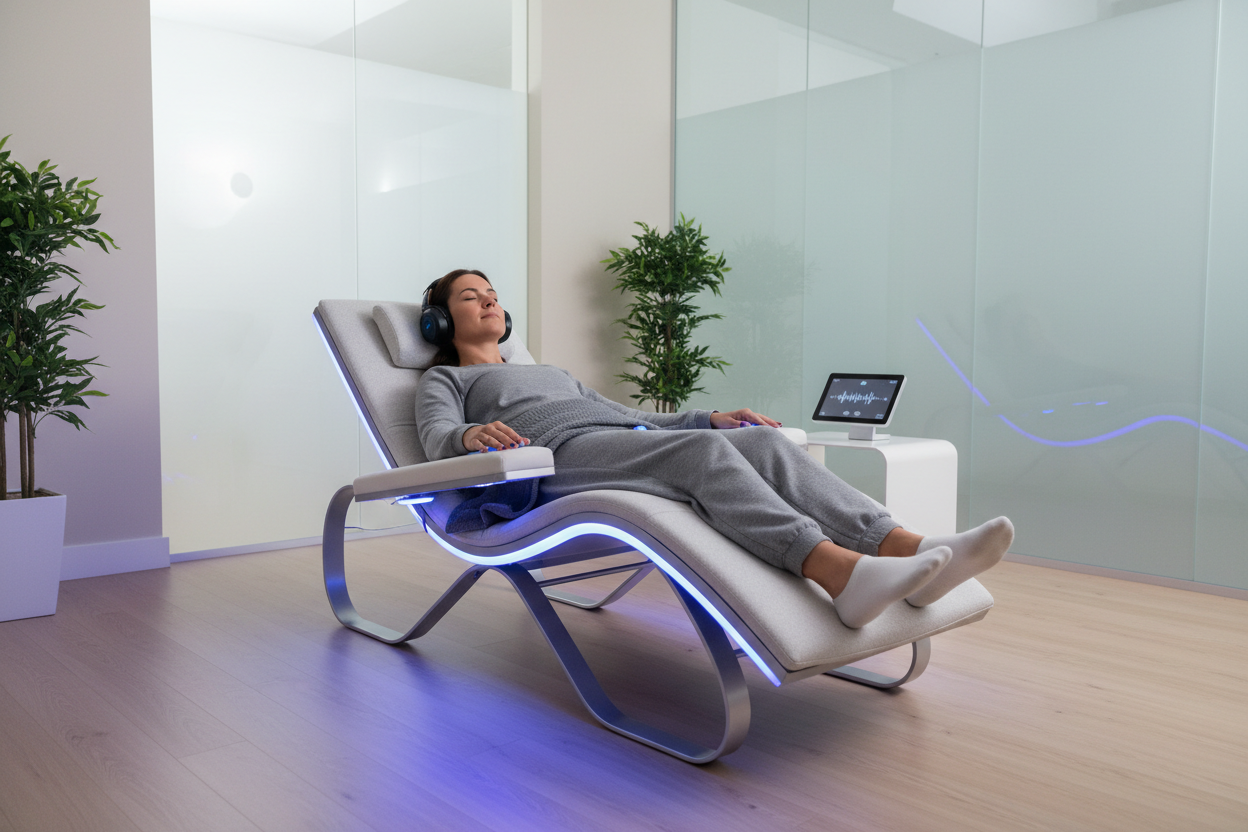
Harmonic frequency recliner therapy â more formally known as vibroacoustic therapy (VAT) or vibroacoustic sound therapy â is a therapeutic modality that delivers low-frequency sound vibrations directly into the body through a specially designed recliner or chair. Unlike conventional sound therapy (which projects audio externally through speakers), a harmonic frequency recliner contains built-in transducers embedded within the cushioning that convert audio signals into precise mechanical vibrations transmitted directly through physical contact with the user's body.
The "harmonic" component refers to the use of specific frequency combinations â typically in the 30 Hz to 120 Hz range â that have been studied for their physiological effects on the nervous system, musculature, circulation, and cellular biology. Modern clinical harmonic frequency recliners combine:
- Low-frequency vibroacoustic stimulation (20â120 Hz range) delivered through embedded transducers
- Music or binaural beat audio synchronized with the physical vibrations for combined neurological and physical effect
- Zero-gravity ergonomic positioning to maximize body contact with transducer surfaces and minimize mechanical stress on the spine
- Programmable frequency sequences targeted to specific therapeutic goals (pain, anxiety, sleep, recovery)
The technology originated in Scandinavia in the 1980s, pioneered by Norwegian therapist Olav Skille, who documented significant reductions in spasticity and pain in patients with neurological disorders when exposed to specific low-frequency sound vibrations. Over the following four decades, clinical research expanded vibroacoustic therapy's evidence base to include anxiety, fibromyalgia, Parkinson's disease, autism spectrum disorder, and general musculoskeletal pain.
The Science Behind Harmonic Frequency Vibroacoustic Therapy
How Low-Frequency Vibration Affects the Body
When low-frequency sound vibrations are transmitted mechanically through body tissue, they create resonant oscillations that affect multiple physiological systems simultaneously. This is fundamentally different from surface massage or external vibration devices, because the vibration travels through all layers of tissue â skin, fascia, muscle, bone, and internal organs â creating a whole-body resonance effect.
The primary physiological mechanisms documented in peer-reviewed literature include:
- Autonomic nervous system modulation: Specific frequency ranges (particularly 40â60 Hz) have been shown to shift the autonomic nervous system from sympathetic dominance ("fight-or-flight") to parasympathetic activation ("rest-and-digest"), directly reducing cortisol levels and heart rate variability markers of stress
- Muscle relaxation via tonic vibration reflex: Sustained low-frequency vibration triggers the tonic vibration reflex â a spindle-mediated mechanism that produces sustained relaxation of targeted muscle groups, reducing hypertonicity and spasm without pharmaceutical intervention
- Endorphin and serotonin release: Research suggests vibroacoustic stimulation at certain frequencies modulates neurotransmitter release, including beta-endorphins and serotonin, contributing to analgesic and mood-elevating effects
- Microcirculation enhancement: Low-frequency vibration at 50â100 Hz has been demonstrated to improve capillary perfusion and lymphatic flow, supporting tissue oxygenation and metabolic waste clearance
- Brainwave entrainment via binaural beats: When the audio component includes binaural beats in the theta (4â8 Hz) or alpha (8â12 Hz) range, the brain's electrical activity synchronizes with these frequencies â inducing states associated with deep relaxation, reduced pain perception, and improved sleep onset
The 2026 Evidence Base: What Research Shows
A 2025 systematic review published in the Journal of Complementary and Integrative Medicine analyzed 31 randomized controlled trials studying vibroacoustic therapy across diverse clinical populations. Key findings included:
- Significant reduction in pain scores (average VAS reduction of 2.4 points on a 10-point scale) across fibromyalgia, chronic back pain, and cancer pain populations
- Statistically significant anxiety reduction in 87% of trials measuring anxiety outcomes
- Improved sleep quality (Pittsburgh Sleep Quality Index) in 6 of 8 trials that measured sleep outcomes
- Reduction in muscle spasticity in neurological populations including Parkinson's disease and cerebral palsy
- No serious adverse events reported across all 31 trials, establishing an excellent safety profile
Particularly noteworthy for wellness practitioners is a 2025 study from the University of Helsinki that found a single 30-minute vibroacoustic therapy session produced measurable reductions in salivary cortisol (a primary stress biomarker) equivalent to a 45-minute mindfulness meditation session â suggesting that harmonic frequency recliner therapy may be especially valuable for individuals who struggle with conventional meditation practice.
Clinical Benefits of Harmonic Frequency Recliner Therapy
1. Chronic Pain Management
Chronic pain affects approximately 51.6 million Americans (CDC, 2024), and conventional pharmaceutical management carries significant risk of dependency, tolerance, and side effects. Harmonic frequency recliner therapy has been studied as a non-pharmacological pain intervention across multiple chronic pain syndromes.
Clinical populations showing the strongest benefit include:
- Fibromyalgia: Multiple trials show 30â40% reductions in Fibromyalgia Impact Questionnaire scores following 8-week vibroacoustic therapy protocols
- Chronic low back pain: Low-frequency vibration at 40 Hz applied to the lumbar region has produced significant pain reduction and functional improvement in non-specific chronic back pain
- Cancer-related pain: Palliative care research has found vibroacoustic therapy to be a valuable adjunctive tool for managing oncological pain with minimal side effects
- Post-surgical pain: Emerging research suggests vibroacoustic therapy may reduce post-operative pain and opioid requirement when integrated into surgical recovery protocols
2. Anxiety, Stress, and Mental Health
The autonomic nervous system effects of harmonic frequency therapy make it particularly well-suited for anxiety and stress management. Unlike anxiolytic medications, vibroacoustic therapy works through direct physiological downregulation of the stress response â not chemical modulation of neurotransmitter receptors.
Protocols used in clinical anxiety research typically involve 20â30 minute sessions at frequencies between 40â70 Hz, with synchronized calming music. Studies consistently show reductions in self-reported anxiety, reduced heart rate, lower blood pressure, and decreased muscle tension â effects that persist for 2â4 hours post-session.
3. Sleep Quality and Insomnia
One of the most consistently reported patient benefits of harmonic frequency recliner therapy is improved sleep. The parasympathetic activation created by vibroacoustic stimulation, combined with brainwave entrainment toward theta and alpha states, creates physiological conditions highly conducive to sleep onset.
Evening sessions of 20â30 minutes (approximately 60â90 minutes before bedtime) appear to be most effective for sleep quality improvement. Research participants in a 2024 Finnish trial reported falling asleep an average of 18 minutes faster following regular vibroacoustic therapy compared to a control group.
4. Neurological and Movement Disorders
Parkinson's disease research has generated some of the most compelling evidence for harmonic frequency therapy. A landmark 2023 study published in Frontiers in Neurology found that 40 Hz vibroacoustic therapy â delivered through body-contact transducers in a clinical recliner â significantly improved gait parameters, reduced tremor intensity during sessions, and improved scores on standardized Parkinson's motor assessments in 78% of participants after a 12-week protocol.
The mechanistic hypothesis involves the tonic vibration reflex pathway: low-frequency whole-body vibration preferentially activates the same neural circuits that degenerate in Parkinson's disease, providing a compensatory sensorimotor input that transiently restores more normal motor function.
5. Athletic Recovery and Performance
Whole-body vibration (WBV) has been used in elite sports recovery for years, but harmonic frequency recliners extend this concept to a passive, seated format â making recovery accessible even during periods of injury or restricted mobility. Post-exercise vibroacoustic therapy sessions have been documented to reduce delayed-onset muscle soreness (DOMS), accelerate lactate clearance, and improve subjective recovery ratings in athletic populations.
Harmonic Frequency Therapy vs. Other Advanced Wellness Modalities
| Modality | Primary Mechanism | Pest For | Session Time | Evidence Level |
|---|---|---|---|---|
| Harmonic Frequency Recliner Therapy | Low-freq vibration + binaural audio | Pain, anxiety, sleep, neurological | 20â40 min | ModerateâStrong |
| Red Light Therapy (Photobiomodulation) | Mitochondrial light absorption | Tissue healing, inflammation, skin | 10â20 min | Strong |
| Percussion Massage Therapy | Rapid mechanical tissue stimulation | Muscle soreness, scar tissue, mobility | 2â15 min/area | Strong |
| Cold Therapy | Vasoconstriction + nerve slowing | Acute inflammation, post-surgical | 15â30 min | Very Strong |
| Laser Therapy (LLLT/PBMT) | Photonic cellular energy | Deep tissue healing, nerve repair | 5â30 min | Strong |
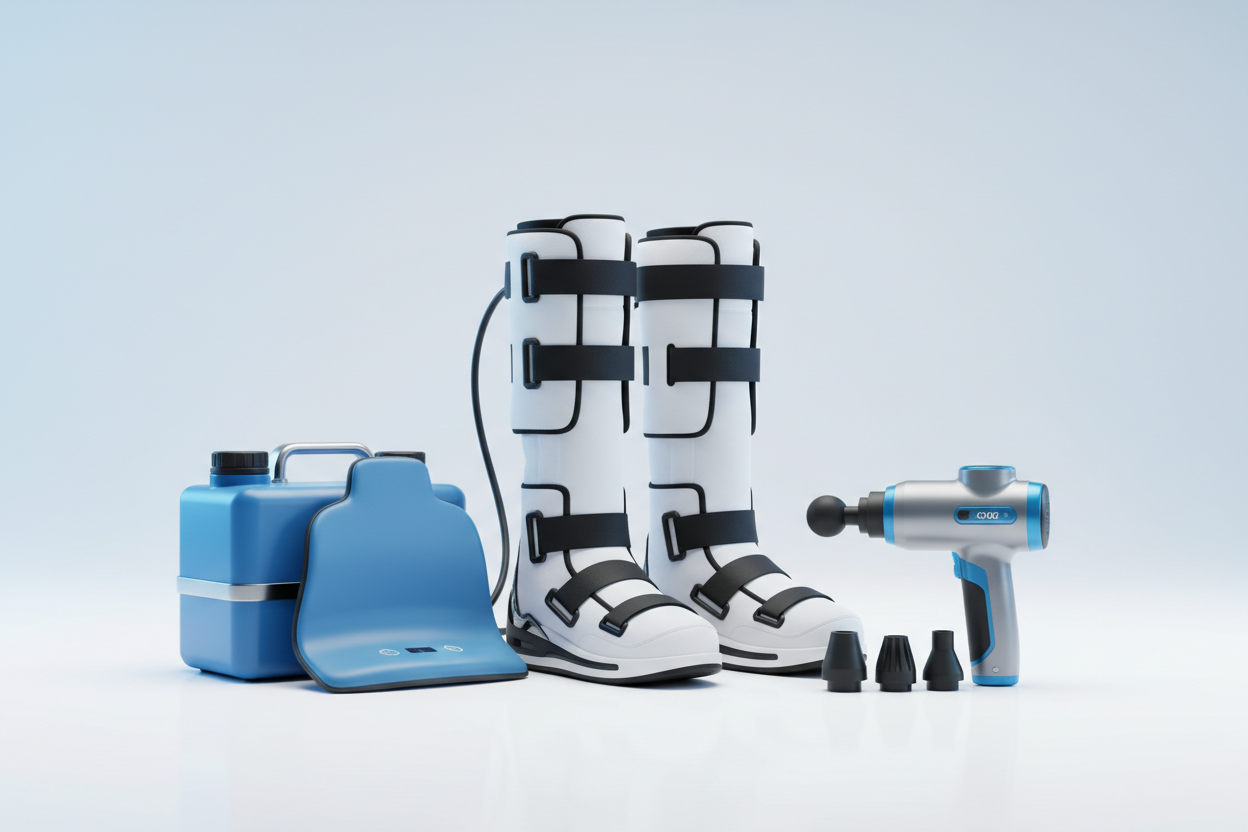
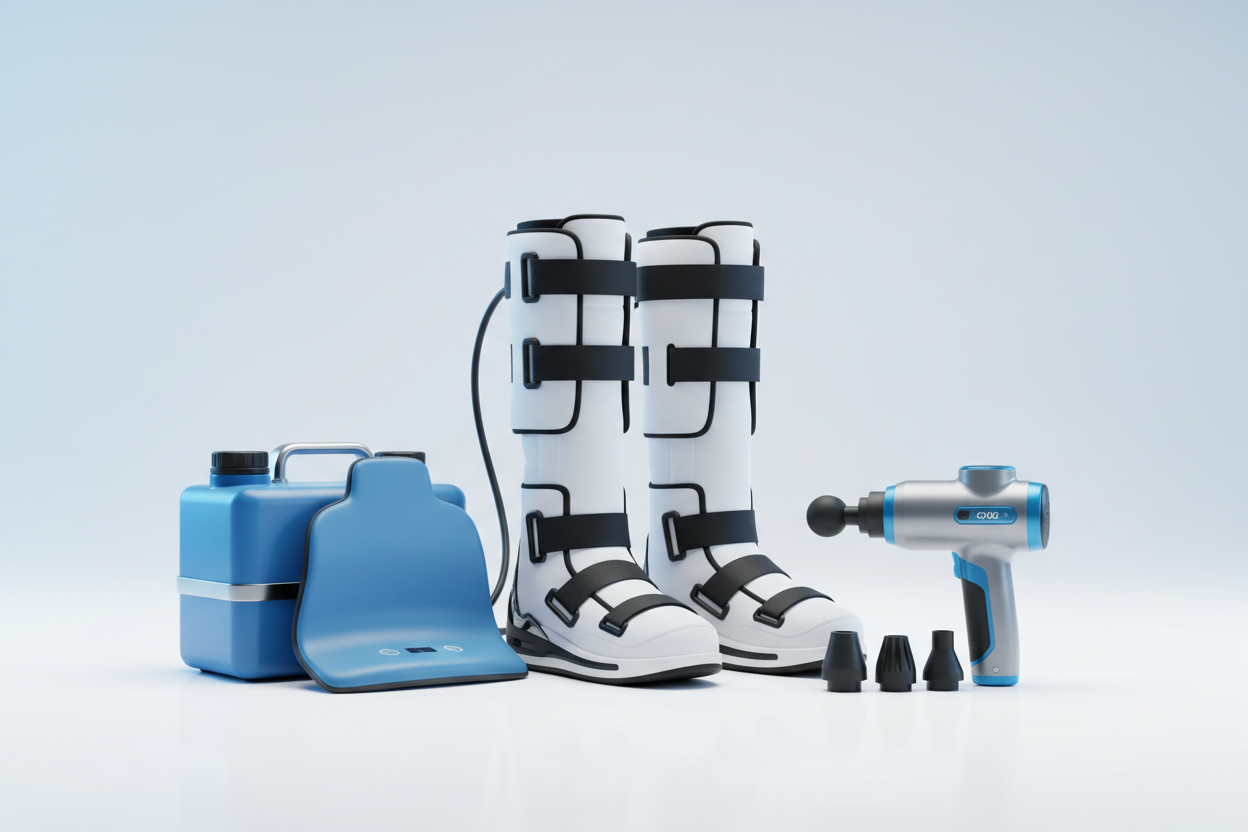
| Sequential Compression | Mechanical lymphatic pumping | Edema, DVT prevention, circulation | 30â60 min | Very Strong |
Harmonic frequency recliner therapy occupies a unique space in this landscape: it is the only modality that directly targets both the central nervous system (via brainwave entrainment and autonomic regulation) and peripheral tissues (via mechanical vibration effects) simultaneously. This makes it particularly valuable as a foundational session â performed before or after more targeted treatments â that maximizes the body's receptivity to other therapeutic interventions.
Harmonic Frequency Recliner Therapy: Clinical Protocols and Integration
Standard Clinical Protocol
Most clinical vibroacoustic therapy protocols follow this general framework:
- Session duration: 20â40 minutes
- Frequency range: 40â70 Hz for pain and relaxation; 30â40 Hz for neurological conditions; 60â80 Hz for muscle tension and athletic recovery
- Positioning: Zero-gravity or reclined at 150â170°, with maximum body surface area in contact with transducer surfaces
- Audio: Calming music with embedded binaural beats at theta (4â8 Hz) or alpha (8â12 Hz) frequencies for relaxation protocols; without audio or with neutral tones for pain management protocols
- Frequency of use: Daily or 3â5 times per week for therapeutic goals; 1â2 times per week for maintenance wellness
Integrating Harmonic Frequency Therapy With Other Modalities
The most effective clinical implementations combine harmonic frequency recliner therapy with complementary modalities. An evidence-informed stacking protocol might look like:
- Harmonic frequency recliner session (20â30 min) â establishes parasympathetic baseline, reduces baseline pain, and prepares tissues for treatment
- Red or near-infrared light therapy â for tissue healing acceleration and cellular energy support. The HealthLight Ultimate Body Kit delivers medical-grade 630nm red and 880nm near-infrared light across large treatment areas, making it ideal for whole-body post-session photobiomodulation.
- Percussion therapy (as needed) â for specific muscle groups requiring mechanical intervention. The Theragun Pro Plus G6's multi-modal approach (percussion + vibration + heat/cooling) is particularly well-suited as a harmonic frequency therapy companion, as it extends vibration-based tissue treatment with targeted precision that a recliner cannot provide.
Who Benefits Most from Harmonic Frequency Recliner Therapy?
Ideal candidates include:
- Individuals with chronic pain (fibromyalgia, back pain, arthritis) who want non-pharmacological pain management
- High-stress professionals or caregivers seeking nervous system downregulation
- Athletes and active individuals using it as part of a recovery stack
- Older adults with limited mobility for whom active recovery is challenging
- Individuals with neurological conditions (Parkinson's, multiple sclerosis, cerebral palsy) - under clinician guidance
- Individuals with sleep disorders who haven't responded to standard interventions
- Wellness centers and spas seeking to offer evidence-based, differentiated treatments
Contraindications and Safety Considerations
Harmonic frequency recliner therapy has an excellent safety profile across clinical research, but contraindications do exist:
- Active thrombosis or suspected deep vein thrombosis (vibration contraindicated)
- Implanted electronic devices (pacemakers, cochlear implants, spinal cord stimulators) â manufacturer guidance required
- Pregnancy (particularly in the first trimester)
- Open wounds or acute injuries at transducer contact sites
- Acute infections or inflammatory conditions (fever)
- Epilepsy (binaural beat protocols require medical clearance)
Always consult with your healthcare provider before beginning harmonic frequency therapy, particularly if you have a complex medical history or any of the above conditions.
Harmonic Frequency Therapy and the Broader Frequency Medicine Landscape
Harmonic frequency recliner therapy sits within a larger category of "frequency medicine" â therapies that use specific electromagnetic, mechanical, or acoustic frequencies as their primary treatment mechanism. Understanding this landscape helps contextualize what harmonic frequency therapy does, and where it fits in a comprehensive wellness program.
Photobiomodulation (Red and Near-Infrared Light)
Photobiomodulation uses specific light frequencies (red at 630â660nm and near-infrared at 810â940nm) to stimulate mitochondrial function and accelerate tissue healing. Unlike vibroacoustic therapy, which acts through mechanical resonance, red light therapy works at the photonic/photochemical level â directly stimulating cytochrome c oxidase in the mitochondrial respiratory chain to increase ATP production.
The HealthLight Ultimate Body Kit is one of the most comprehensive red and near-infrared light systems available for home and clinical use, with large flexible pad arrays that can treat multiple body regions simultaneously â making it an ideal complement to a vibroacoustic therapy session.
Low-Level Laser Therapy (LLLT/PBMT)
Laser therapy operates through photonic energy delivery at specific wavelengths but with higher irradiance (power density) than standard LED red light devices. For deep tissue conditions, neuropathy, and wound healing, the BIOFLEX MultiPort System delivers true low-level laser therapy with multi-wavelength simultaneous treatment â representing the clinical gold standard in this category.
Percussion and Vibration Therapy
Percussion therapy devices like the Theragun Pro Plus G6 use high-frequency mechanical vibration (1,750â2,400 RPM) delivered focally to target muscle groups. While this overlaps in mechanism with vibroacoustic therapy, the frequencies and delivery method are different â percussion targets superficial and mid-depth muscular tissue with high-amplitude focal vibration, while harmonic frequency recliners deliver low-amplitude, low-frequency vibration through the entire body simultaneously. The two technologies are complementary, not redundant.
Frequently Asked Questions: Harmonic Frequency Recliner Therapy
What is harmonic frequency recliner therapy?
Harmonic frequency recliner therapy is a form of vibroacoustic therapy where low-frequency sound vibrations (typically 30â120 Hz) are delivered directly into the body through transducers embedded in a specially designed recliner or chair. It is used clinically for pain management, anxiety reduction, improved sleep, neurological conditions, and athletic recovery.
How is a harmonic frequency recliner different from a massage chair?
A massage chair uses mechanical rollers, airbags, and kneading mechanisms to apply physical pressure to surface muscles. A harmonic frequency recliner uses sound transducers to create vibration that travels through all body tissues simultaneously at the cellular level. Harmonic frequency recliners also incorporate specific therapeutic frequency programs, binaural audio, and zero-gravity positioning â all making their mechanism of action fundamentally different from massage chair technology.
What conditions can harmonic frequency recliner therapy help?
Clinical research supports benefits for: chronic pain (fibromyalgia, back pain, arthritis), anxiety and stress disorders, insomnia and sleep quality issues, Parkinson's disease motor symptoms, post-surgical recovery, muscle spasticity in neurological conditions, and general wellness and recovery in athletic populations.
How long are harmonic frequency recliner therapy sessions?
Standard clinical sessions are 20â40 minutes. Initial sessions may be shorter (15â20 minutes) as the body acclimates to the vibroacoustic stimulation. Maintenance wellness sessions can range from 20â30 minutes. Most therapeutic protocols use 3â5 sessions per week for an initial 6â12 week treatment period.
What frequencies are used in harmonic frequency recliner therapy?
Clinical protocols vary by therapeutic goal: 40â70 Hz for pain management and relaxation; 30â40 Hz for neurological conditions like Parkinson's; 60â80 Hz for muscle tension and athletic recovery; 50â60 Hz for anxiety and stress reduction. High-quality clinical recliners allow precise frequency programming for individualized treatment.
Can harmonic frequency therapy be combined with red light therapy?
Yes, and this combination is increasingly being studied as a synergistic protocol. Vibroacoustic therapy first shifts the nervous system toward parasympathetic dominance and improves tissue microcirculation, potentially enhancing the cellular response to photobiomodulation. A common protocol is vibroacoustic therapy (20â30 min) followed immediately by red or near-infrared light therapy (10â20 min).
Is harmonic frequency recliner therapy safe?
Clinical research consistently shows an excellent safety profile. Contraindications include active thrombosis, implanted electronic devices, pregnancy (first trimester), open wounds at contact sites, acute infections, and epilepsy (for binaural beat protocols). Healthy adults without these conditions can generally use vibroacoustic therapy safely. Always consult your healthcare provider before beginning.
Frequency-Based Recovery at Your Health Sanctuary
Harmonic frequency recliner therapy represents one dimension of a broader frequency medicine approach to wellness and recovery. At Your Health Sanctuary, we carry the most clinically validated frequency-based technologies available â from photobiomodulation to percussion therapy to professional laser systems â so you can build a protocol that addresses your specific health goals.
Whether you're interested in harmonic frequency therapy as part of a pain management program, a stress and sleep protocol, or an athletic recovery stack, our team can help you design an evidence-based approach.
Explore Frequency-Based Recovery Tools
For whole-body red and near-infrared light therapy:
HealthLight Ultimate Body Kit â â Medical-grade photobiomodulation for full-body cellular recovery
For targeted vibration and percussion therapy:
Theragun Pro Plus G6 â â Multi-modal percussion + vibration + heat/cooling for targeted tissue treatment
Want to build a comprehensive frequency-based wellness protocol? Call us at (612) 360-2490 â we'll help you create a custom stack that fits your goals and budget.
Ready to Upgrade Your Recovery?
The equipment referenced in this guide, in stock and ready to ship. Many products qualify for HSA/FSA — call us to confirm eligibility for your situation.
Questions? Talk to our recovery specialists: (612) 360-2490
About the Author
About the Author â Justin Webster, Founder of Your Health Sanctuary. Authorized dealer for Theragun, Normatec, Game Ready, BIOFLEX, HealthLight and more. yourhealthsanctuary.com | (612) 360-2490.