
Best Compression Sleeves for Marathon Training & Post‑Race Recovery
When you are logging high mileage, your legs take a beating—long runs, speed sessions, hill repeats, and race day itself all add up. That is where leg compression sleeves become powerful tools for marathon runners, helping support performance and speed up recovery between sessions.
At Your Health Sanctuary, the focus is on science‑backed recovery gear, including targeted leg compression sleeves and full‑leg options designed for runners, endurance athletes, and active lifestyles. Whether you are training for your first 26.2 or chasing a PR, choosing the right sleeves can make a noticeable difference in how your legs feel before, during, and after your runs.
This guide breaks down the leg compression sleeve benefits for marathoners, how to choose the best style (including full leg compression sleeve options), and how to shop the best picks from the Your Health Sanctuary collection.
Why Marathon Runners Use Leg Compression Sleeves
During marathon training, your calves and legs absorb repetitive impact forces over thousands of steps. Over time, this can lead to micro‑tears in muscle fibers, soreness, swelling, and fatigue. Leg compression sleeves are designed to apply graduated pressure to help:
- Improve circulation – Graduated compression promotes blood flow back toward the heart, helping deliver oxygen and nutrients while removing metabolic waste more efficiently.
- Reduce muscle vibration and fatigue – The snug fit stabilizes muscles, which can reduce the “shake” that contributes to soreness after long or fast runs.
- Support recovery and swelling management – A leg compression sleeve for swelling can help manage mild edema, shin tightness, and calf soreness after intense training blocks.
- Enhance comfort on long runs – Many runners find sleeves provide a “held together” feeling, especially later in a marathon when form starts to break down.
For serious runners, thoughtfully chosen compression gear is less about fashion and more about durable performance and recovery support across a full training cycle.
Key Leg Compression Sleeve Benefits for Marathon Training
When evaluating leg compression sleeve benefits specifically for marathoners, think in terms of both performance and post‑race recovery.
1. Better blood flow under load
Long runs, tempo efforts, and back‑to‑back training days all challenge your circulatory system. Graduated compression is designed so pressure is tightest at the ankle and gradually looser toward the knee or thigh, which helps promote upward blood flow. This can contribute to:
- Reduced feeling of “heavy legs” during late miles
- Improved venous return during long periods on your feet
- More efficient flush of metabolic byproducts post‑run
2. Support for calf and shin muscles
Shin splints and calf tightness are common in marathon blocks. Leg compression sleeves provide external support to key lower‑leg muscles, which can:
- Reduce impact‑related muscle oscillation
- Help runners feel more stable during long runs or downhill segments
- Complement strength and mobility work for overall lower‑leg health
3. Swelling and soreness control post‑race
After a marathon (or long training run), it’s normal to experience swelling, tightness, and delayed onset muscle soreness. A well‑fitted leg compression sleeve for swelling can help your legs look and feel more normal in the 24–72 hours after the race by:
- Assisting fluid movement
- Providing gentle pressure that feels soothing on tired muscles
- Supporting you while walking, traveling, or returning to daily activities
4. Options for full‑leg support
If you experience discomfort not only in the calves but also in the quads, hamstrings, or knees, a full leg compression sleeve can provide hip‑to‑ankle support. Full‑leg options are especially useful for:
- Runners prone to IT band, quad, or hamstring tightness
- Cold‑weather races where warmth plus compression is a bonus
- Recovery days when you want all‑over leg support while resting or traveling
Explore different styles and coverage levels in the Leg Compression Sleeves collection to match your training demands and recovery needs.
How to Choose the Best Compression Sleeves for Running
Not all compression gear is created equal. When shopping leg compression sleeves for marathon training and recovery, focus on the following factors.
1. Compression level
Many runners do well with moderate graduated compression designed for sports and active recovery. Look for sleeves clearly labeled for circulation, performance, and post‑exercise recovery rather than generic fashion compression.
2. Coverage: calf vs. full leg
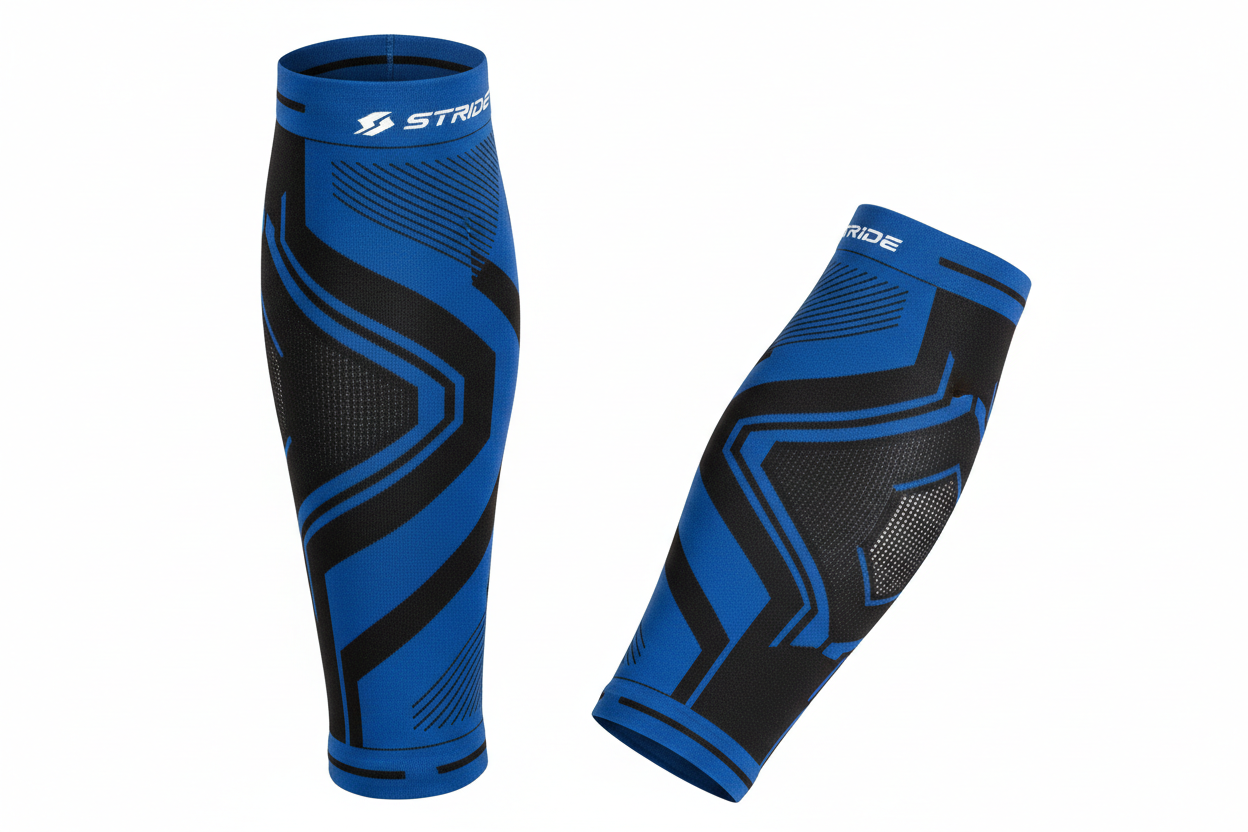
- Calf‑only leg compression sleeves – Ideal if your main issues are calf tightness, shin discomfort, or general lower‑leg fatigue. They pair easily with your favorite running shorts or tights.
- Full leg compression sleeve – Better if you want support from thigh to ankle, or if you’re recovering from intense races, back‑to‑back long runs, or heavy strength blocks.
The Your Health Sanctuary leg compression sleeves collection is curated to support both performance and recovery, making it easy to choose based on your coverage preference.
3. Sizing and fit
Proper fit is essential for both comfort and effectiveness:
- Measure around the widest part of your calf (and thigh, if using a full‑leg sleeve).
- Compare your measurements against each product’s sizing chart.
- The sleeve should feel snug but not painful or numb—too tight is as unhelpful as too loose.
If you’re between sizes or unsure, the support team at Your Health Sanctuary can help guide you on the best size for your training situation.
4. Material and breathability
Look for quality fabrics that balance stretch, durability, and moisture management:
- Breathable, sweat‑wicking materials for long runs
- Seams designed to reduce chafing
- Enough elasticity to hold shape across many washes and training cycles
When to Wear Leg Compression Sleeves: Training & Recovery
To get the most from your leg compression sleeves, timing matters.
During marathon training runs
Many runners like to wear calf or full leg compression sleeves:
- On long runs (especially 14+ miles)
- During tempo runs or race‑pace sessions
- On hilly routes with a lot of eccentric load
This can help you feel more supported and reduce post‑run soreness.
After your runs and on race day
For post‑race recovery, consider wearing your sleeves:
- For several hours after finishing your marathon
- During travel (car or plane) to help reduce swelling
- The day after your race during light walking or active recovery
This is where a leg compression sleeve for swelling really shines, helping your legs feel lighter and less stiff as you transition back to daily life.
FAQs: Leg Compression Sleeves for Marathon Training & Recovery
1. Are leg compression sleeves good for marathon runners?
Yes. Leg compression sleeves can support circulation, help stabilize lower‑leg muscles, and may reduce post‑run soreness and swelling, especially during heavy marathon training blocks. They are not a substitute for proper training and recovery, but they are a valuable tool in a marathoner’s toolkit.
2. Should I wear leg compression sleeves during the race or only after?
Many runners do both. Wearing sleeves during the marathon can support your calves and shins over long distances, while using them after the race enhances recovery. If you plan to race in them, test them thoroughly on long training runs first.
3. What is the difference between calf sleeves and a full leg compression sleeve?
Calf sleeves cover the area from ankle to below the knee, targeting the calf muscles and shins. A full leg compression sleeve typically runs from thigh to ankle, providing support to quads, hamstrings, knees, and calves. Full‑leg options are ideal for runners who experience whole‑leg fatigue or want extra support during intense training blocks or recovery days.
4. Can leg compression sleeves help with swelling after long runs?
A properly fitted leg compression sleeve for swelling can help manage mild leg and ankle swelling by assisting blood and fluid movement back toward the heart. This is especially helpful after long runs, races, or travel. If you have medical conditions or significant swelling, always consult a healthcare professional before use.
5. How do I choose the right size for my leg compression sleeves?
Use a flexible tape measure to record your calf circumference (and thigh for full‑leg sleeves), then compare it to each product’s sizing chart. The goal is a snug, supportive feel without numbness or pain. If you are unsure, reach out to Your Health Sanctuary support for personalized guidance on fit and style.
Your Health Sanctuary( Strategy AI LLC)
- Phone: 612‑360‑2490
- Email: support@yourhealthsanctuary.com
- Website: https://yourhealthsanctuary.com/
Build a Smarter Recovery Strategy for Your Next Marathon
Marathon success is built not only on miles, but on smart recovery. The right leg compression sleeves—whether calf‑length or full leg compression sleeve options—can help you train harder, bounce back faster, and line up on race day with fresher, more supported legs.
By focusing on compression level, fit, coverage, and material, you can choose sleeves that match your body and training style. Explore the curated options in the Leg Compression Sleeves collection and lean on the expert support at Your Health Sanctuary to dial in the best gear for your marathon journey. With consistent use during training and post‑race recovery, compression sleeves can become one of your most reliable allies on the road to 26.2 and beyond.
Ready to Upgrade Your Recovery?
The equipment referenced in this guide, in stock and ready to ship. Many products qualify for HSA/FSA — call us to confirm eligibility for your situation.
Questions? Talk to our recovery specialists: (612) 360-2490