
Adding Red Light Therapy to a Chiropractic Practice: 2026 Launch Checklist
Most chiropractors who add a new modality don't struggle with the equipment. They struggle with the rollout. This guide covers adding red light therapy to a chiropractic practice: a practical launch checklist for room setup, staffing, patient flow, pricing and tracking, based on how clinics actually roll out new services.
Why Rollout Matters More Than the Device
A device sitting in a closet earns nothing. The practices that get value from light therapy decide up front where it lives, who runs it, how patients hear about it and how it's priced. The ones that don't usually end up using it inconsistently, which makes it hard to tell whether it's working for patients or for the business.
The Launch Checklist
| Step | What to Decide | Why It Matters |
|---|---|---|
| 1. Pick the use case | Add-on during adjustments, standalone sessions, or both | Determines how many pads and stations you need |
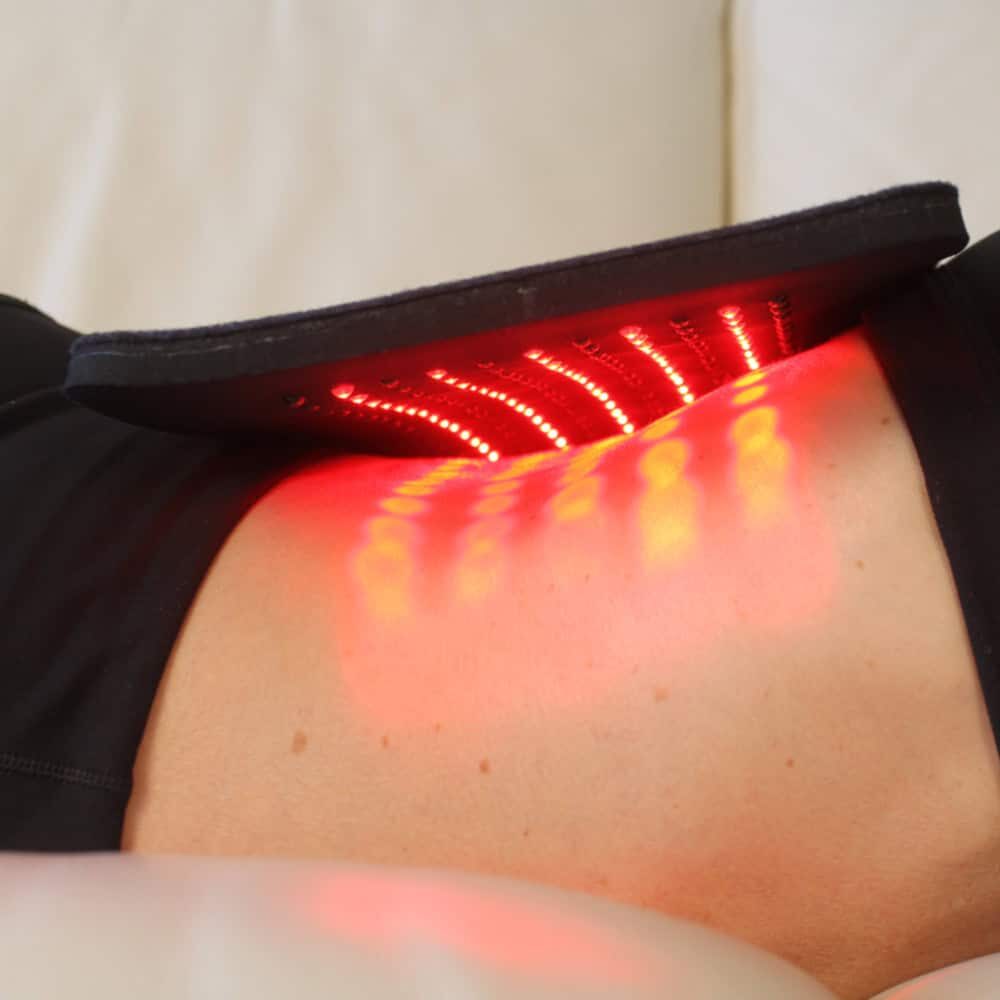
| 2. Choose the space | An existing table, a recliner in a quiet corner, or a dedicated room | Contact pads are hands-free, so a patient can rest while staff move on |
| 3. Assign an owner | Usually a CA or tech, not the doctor | Light therapy that depends on the doctor's time rarely gets used |
| 4. Write a simple protocol | Pad placement by complaint, session length, cleaning between patients | Consistency for patients and easy training for new staff |
| 5. Set pricing before launch | Included, per-session, or package | Avoids deciding case by case at the front desk |
| 6. Tell patients | Front desk script, visit notes, signage | Patients can't ask for a service they don't know about |
| 7. Track it | Sessions per week, plan completion, patient feedback | Tells you whether to expand, adjust or reposition it |
Equipment: Start With the Right Size
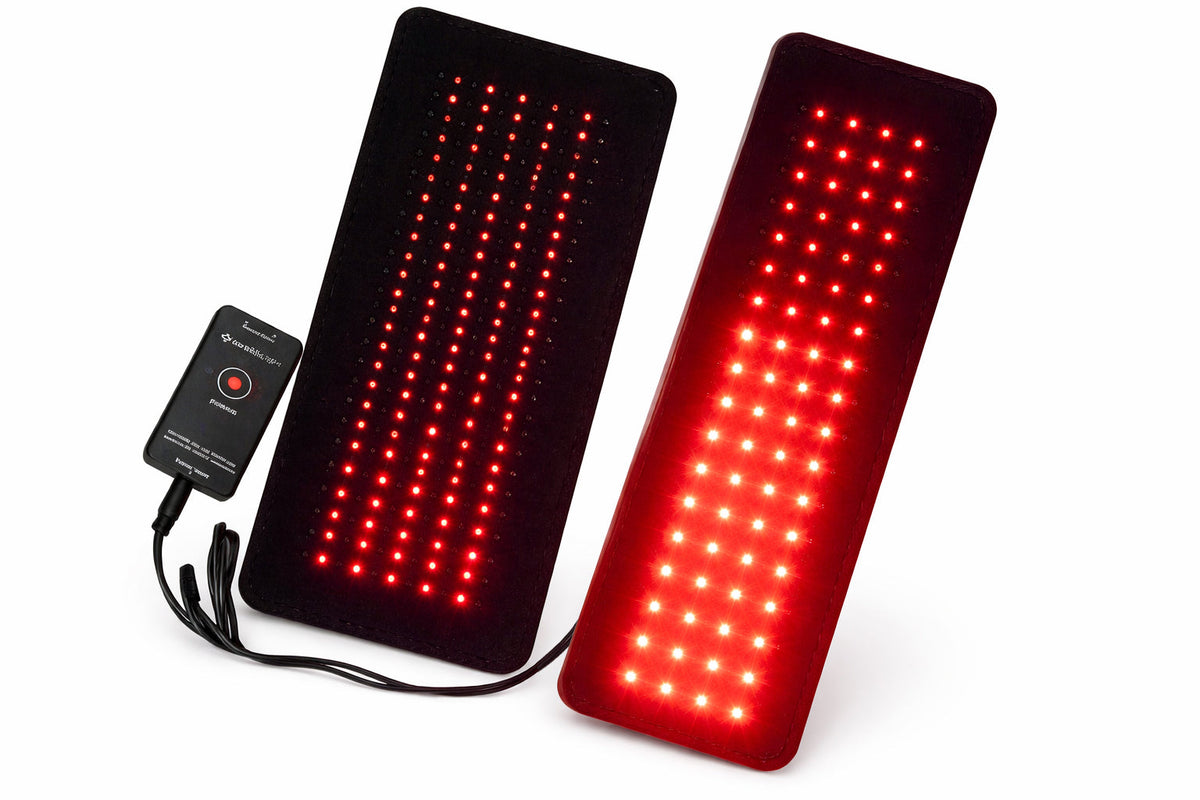
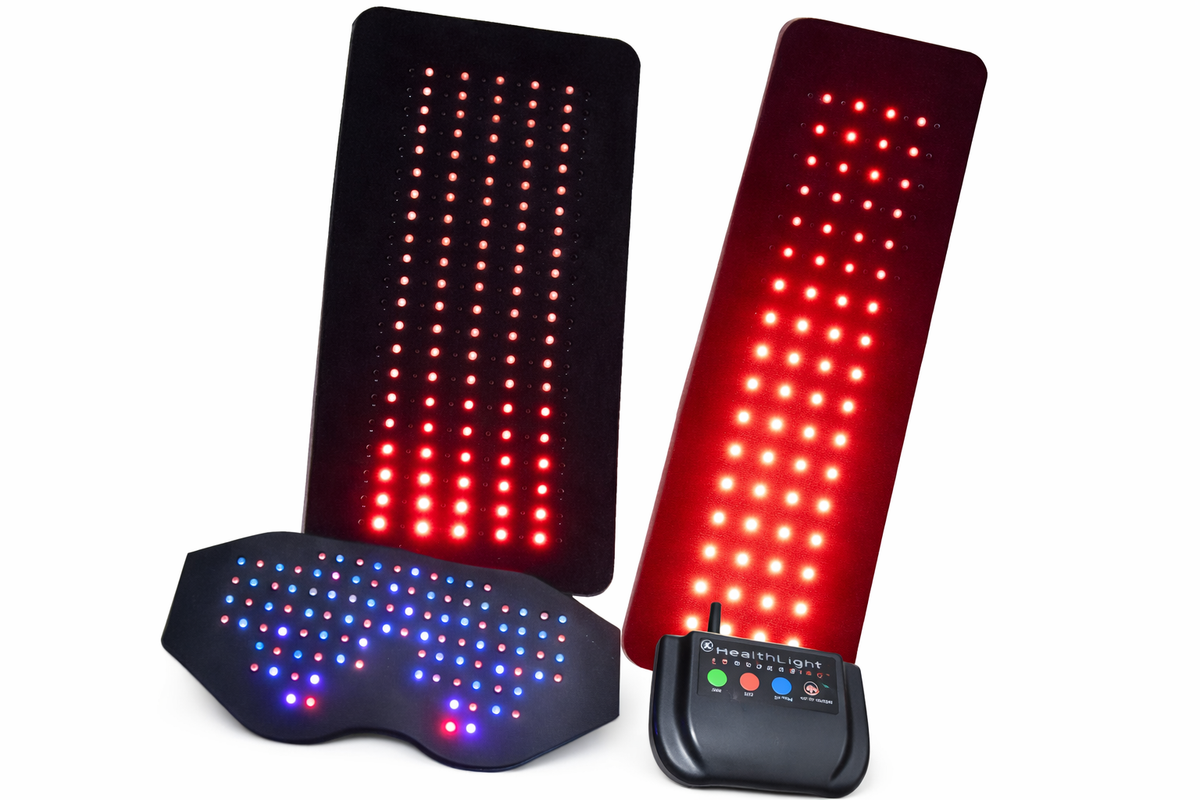
Most practices start with one station using the HealthLight General Pain Relief Kit as an add-on during visits. Practices planning dedicated sessions or treating several areas at once often choose the Ultimate Body Kit. Individual pads, like the Long Pad, can expand a setup later. HealthLight pads run from 2-, 3- or 6-port controllers, so one controller can run several pads in the same session. HealthLight is FDA-cleared for temporary relief of minor muscle and joint pain, minor arthritis pain, stiffness and muscle aches, and for increasing local blood circulation.
Staffing and Patient Flow
The simplest flow is: adjustment, then pads on, timer set, patient rests for about 20 minutes, then pads off and cleaned. Because the pads are hands-free, one staff member can manage the station alongside other duties. The key is making it part of the visit flow instead of an optional extra someone has to remember. For how practices fit it between visits, see HealthLight for Chiropractic Adjustments.
Pricing and Payback
Decide your pricing model before the first patient session. The common options are including it in the visit, charging per session, or selling packages. We cover these in How Clinics Bill and Bundle HealthLight Sessions, and the payback math in HealthLight Cost & ROI for Chiropractic Practices. Insurance coding and coverage vary by payer and state, so confirm with your billing specialist.
Our Take
Justin here. My clinic-building career put me alongside doctors who showed me the equipment they actually used. Working with chiropractors, including my sister-in-law, is what introduced me to red light therapy in the first place. Your Health Sanctuary sells mostly to chiropractors and medical professionals, and the pattern I've seen across clinic launches is consistent: the practices that plan the rollout get results, and the ones that skip it end up with an expensive closet item.
Frequently Asked Questions
How do I add red light therapy to a chiropractic practice?
Pick the use case, choose the space, assign a staff owner, write a simple protocol, set pricing before launch, tell patients, and track sessions and outcomes. Planning the rollout matters as much as the device.
Do I need a dedicated room for red light therapy?
No. Because HealthLight contact pads are hands-free, many practices use an existing table or a recliner in a quiet corner. A dedicated room makes sense once demand grows.
Who should run red light therapy sessions in a chiropractic office?
Usually a chiropractic assistant or tech. Sessions that depend on the doctor's time tend to get skipped.
How long is a HealthLight session?
About 20 minutes, and one controller can run several pads at the same time.
Which HealthLight kit should a chiropractic practice start with?
Most practices start with the General Pain Relief Kit as an add-on during visits. Practices planning dedicated sessions or multi-area treatment often choose the Ultimate Body Kit.
How should I price red light therapy sessions?
Common models are including it in the visit, charging per session, or selling packages. Decide before launch, and confirm any insurance coding with your billing specialist.
Planning Your Light Therapy Rollout?
We'll help you size the right HealthLight setup for your patient volume. Call (612) 360-2490 to talk to Your Health Sanctuary directly.
Related Reading
- HealthLight for Chiropractors and Clinics: 2026 Buyer's Guide
- How Clinics Bill and Bundle HealthLight Sessions
- HealthLight Cost & ROI for Chiropractic Practices
About the Author
Justin Webster is the owner of Your Health Sanctuary. Before founding his consulting company, he served as COO of a chain of 13 medical clinics, then spent his career helping build more than 20 additional niche medical clinics across the United States. Working alongside MDs, chiropractors and physical therapists introduced him to the clinical-grade equipment that practitioners actually prescribe. That background, combined with direct relationships with manufacturers including HealthLight and BIOFLEX, shapes how Your Health Sanctuary evaluates and recommends recovery technology. Justin personally owns and uses the HealthLight General Pain Relief Kit. Your Health Sanctuary sells primarily to medical professionals and clinicians, not consumer gadget buyers.